Trim Tutorial: Board and Batten

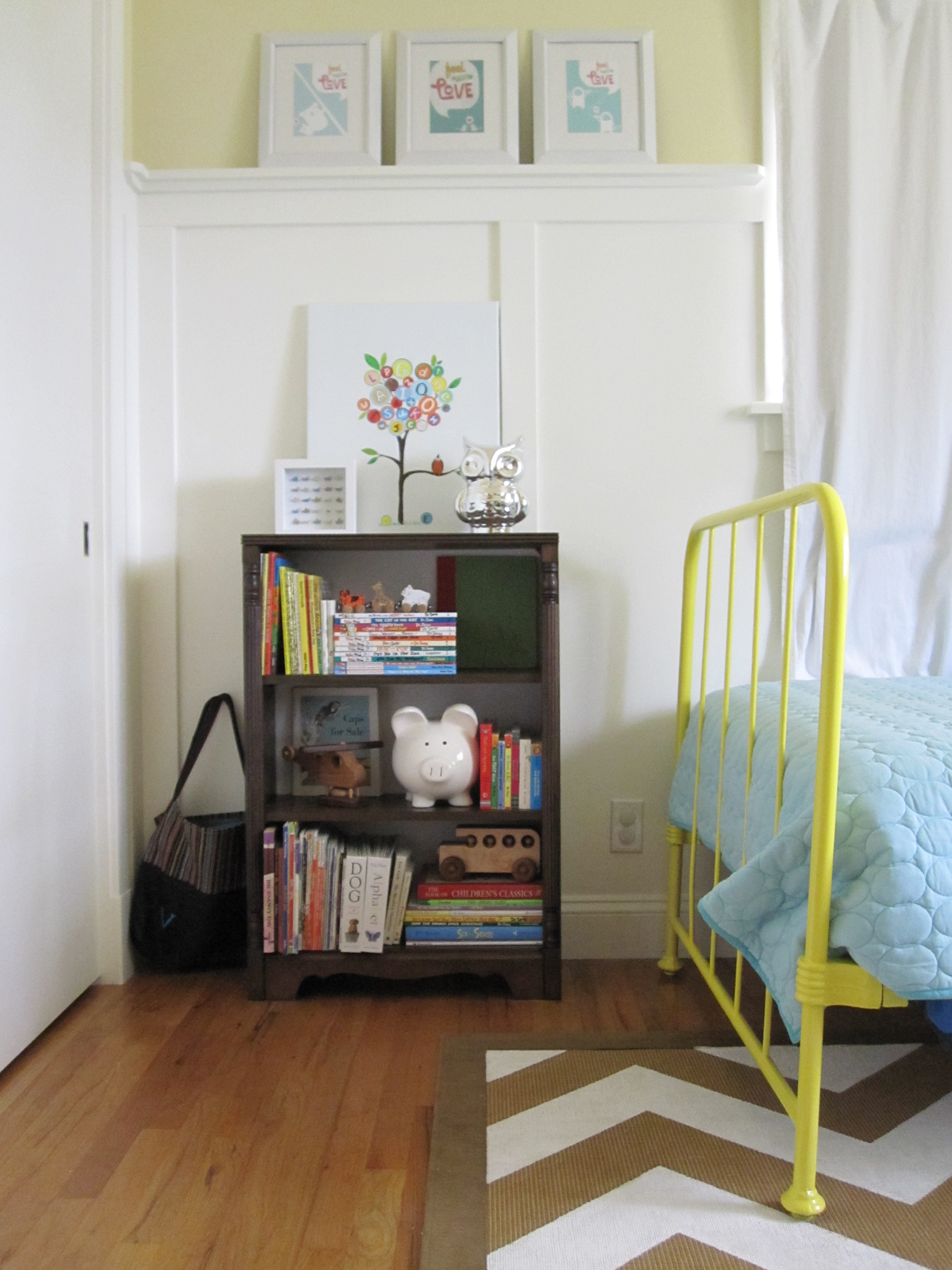
We’ve had a few requests to give a tutorial on how we created the trim in our boys’ room.  This is actually one of the most simple trim designs we have in our house.  To start, determine the height of the trim you want.  Our trim is 66 inches from the floor to the top if the shelf.

Start with your baseboards.  If you plan to keep your current baseboard, you may have to cut notches out, depending on the profile of the trim.  We had to cut out the designed area of the baseboard to meet the square stock pieces together.

Once you’ve determined your baseboard situation, install the top horizontal piece, keeping it level.  Our trim is 4 inches tall, but you can choose any size you want.  I think the verticals look better if they are slightly smaller than the horizontal.  To determine the spacing of the verticals, find the center of each wall and install a vertical, keeping the trim piece centered on the center line.  Here’s where you have a decision to make.  You can choose any width of spacing for your verticals.  We preferred the wider spacing.  We placed our remaining verticals half way between the centered vertical and the corners.  Then, we added verticals on each side of the corner.

We started with a traditional board and batten style trim.  A year later, we added a picture shelf, but of course, you don’t have to do this.

To create this picture shelf, cut (or buy) a piece of 1 inch thick material into 3 inches wide.  This piece will be the actual shelf.  We used a large sheet of MDF and cut it ourselves.  Cut (or buy) a piece of 3/4 inch material to one inch strips; this will support the shelf.  Securely nail the 1 inch by 3/4 inch piece to the horizontal piece, keeping the tops flush.  If you pieces are too short to span the entire length of the wall, cut your pieces at a 45 degree angle to keep them tight, rather than two blunt ends butted together.  Once you’ve installed the support pieces, you’re ready to add your shelf.  Place your shelf against the wall and securely nail the shelf into your trim pieces and the wall.

As I mentioned above, you can vary the width of your verticals to achieve the look you have in mind.  Here are a few more great rooms that have been updated with board and batten trim.

Jen at Tatertots and Jello transformed her Tuscan inspired bathroom into a beachy cottage with trim.  Karla at It’s the Little Things also has a great tutorial about her board and batten trim.

On a completely unrelated note, I did a little shopping at Pier 1 yesterday (more on that later) and had to share this:  Pier 1 will donate $1.00 for each person who likes Pier 1 on Facebook!  How cool is that?!

Cloud Light

By now, I’m sure you’ve realized I love a good DIY project.  I don’t get too intimidated by projects so long as it doesn’t include building.  That’s Ben’s domain.  It’s a definite plus when I get to use a glue gun, too.  With that out on the table, I have another confession.  I loathe ceiling fans.  We have two in our house, well,now we have one.  They were in the house when Ben bought it and we kept them because we didn’t have air conditioning before.  Now that we have air, (not to mention we’re going into winter) we no longer needed the fans.  I saw a DIY lighting idea over at Kara Paslay Designs and I knew I had to make one. 

I already had a paper lantern (I think mine is smaller than this one listed at IKEA), so I bought a package of coffee filters and warmed up my glue gun. 

First, I crumpled up a batch of filters.

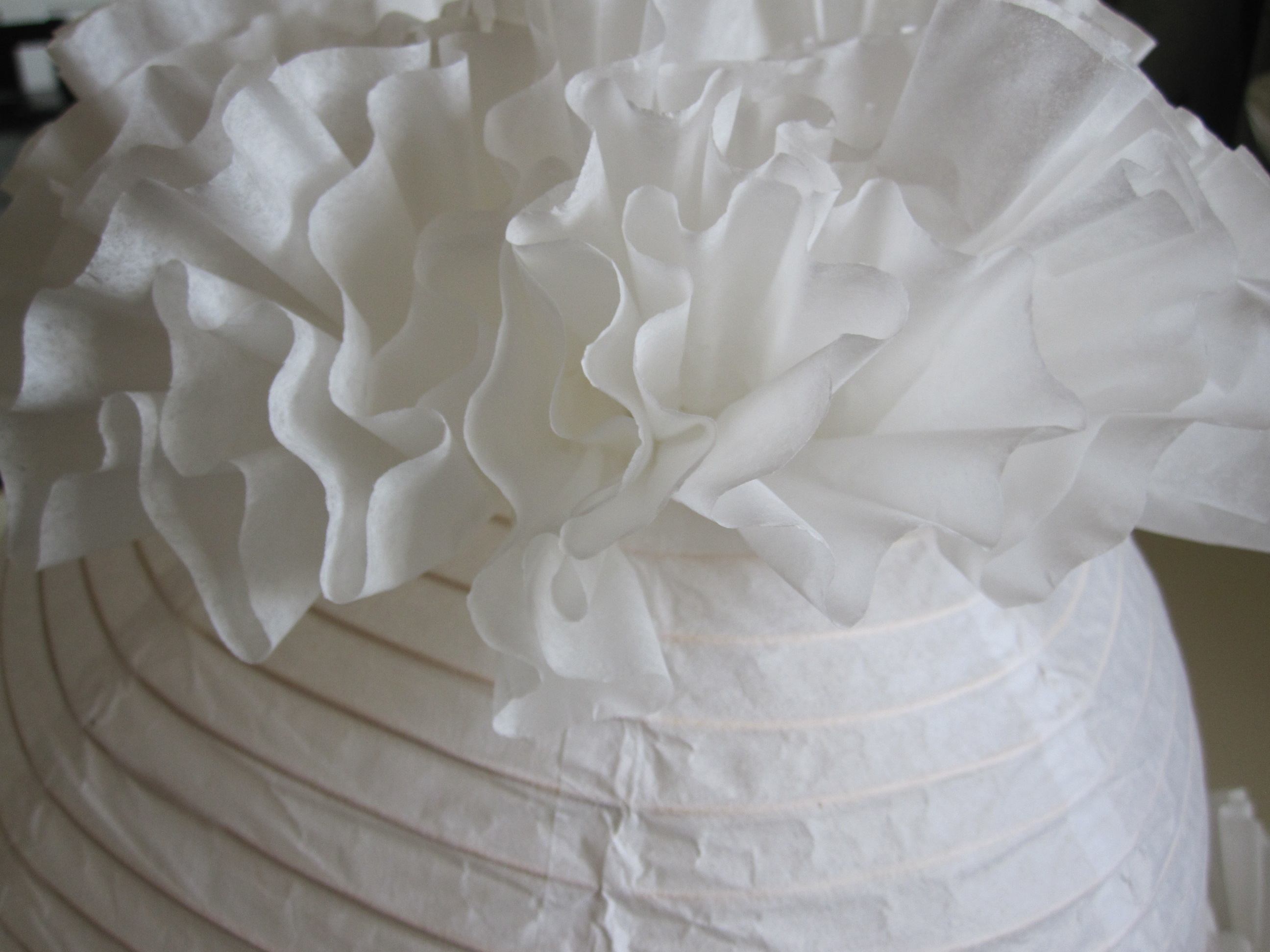
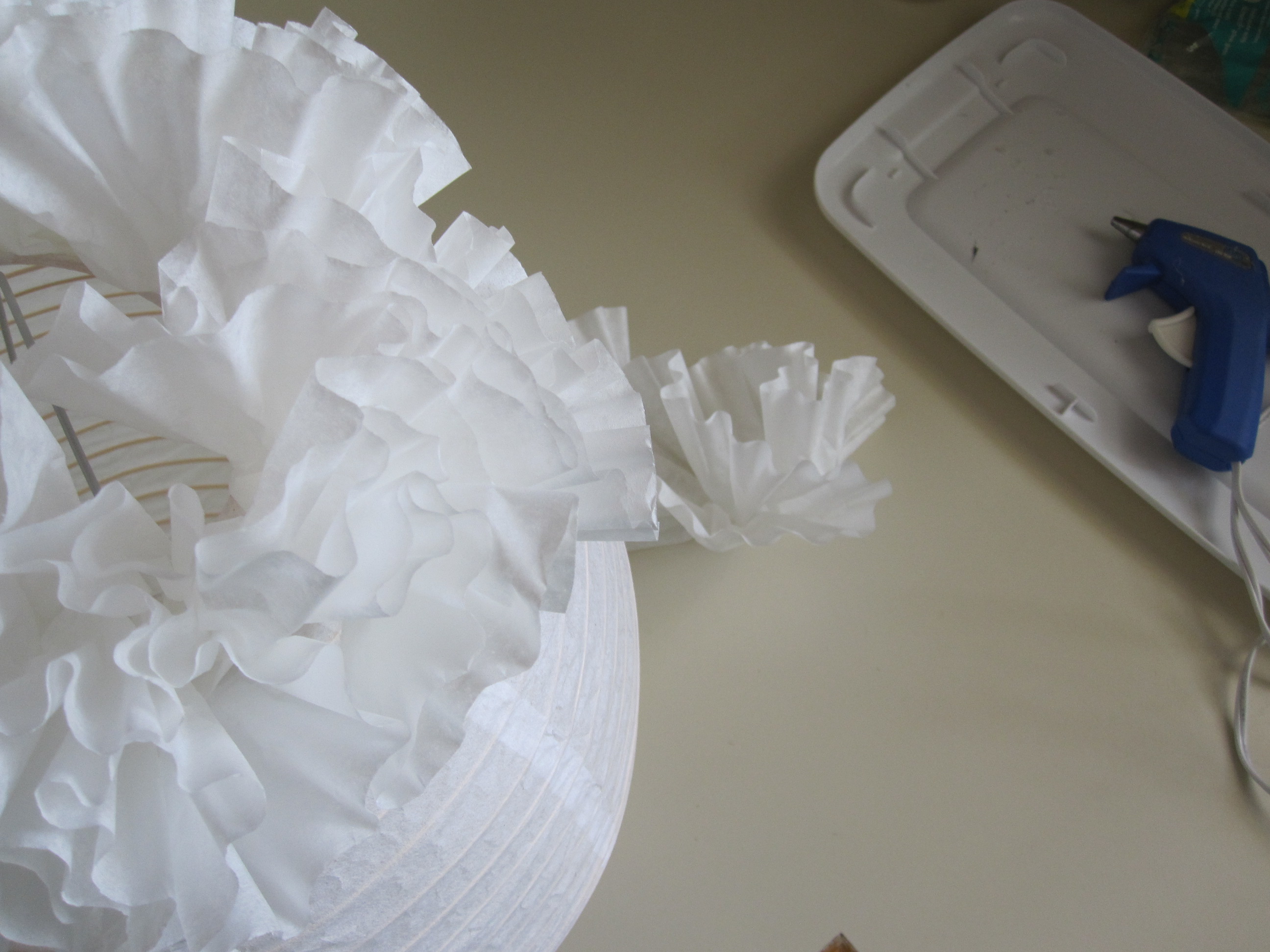
Add a liberal amount of hot glue at the base and press firmly to the lantern.  To avoid glue burns, put your fingers inside the filter to press.  Yeah, learned that a few times…

Start at the base, working around the center opening.

Work your way down and around, keeping the filters close to one another.

Keep gluing, and gluing, and gluing. 

Run out of coffee filters because you only bought 200 thinking that would be plenty for a small light.  Unplug glue gun, go to Target and get more.  Come back, warm up glue gun and proceed gluing. 

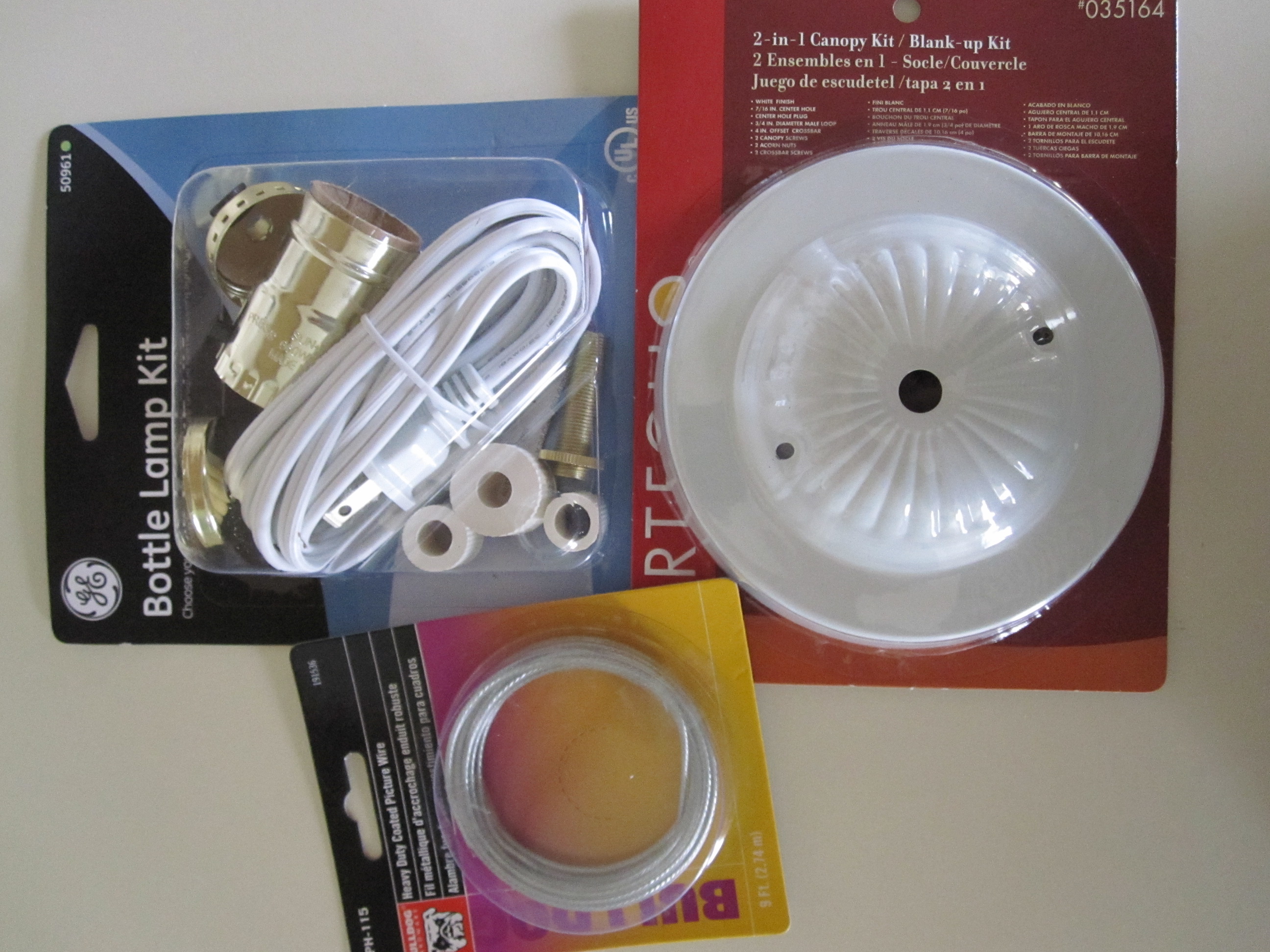
Once the shade is finished, I needed to find a cord kit.  How hard could that be?  Very, without an IKEA nearby.  I suggest picking up their cord kit.  Because I didn’t have their handy-dandy cord, I bought this assortment.

The lamp kit cost $4.97 and the picture wire was $1.97, both from Wal-Mart.  The ceiling canopy was from Lowe’s for $4.98.  I needed the canopy because we were hard wiring the light. 

To hang, get the help of an electrician or your handy husband.  Once handy man is present and accounted for, assemble socket, switch, and cord, securing to the lantern.  Throw away remaining bottle lamp kit pieces.  Add a length of wire to bear the weight of the shade.  Hardwire and affix to canopy.  Flip the switch and bask in the beauty that is your new, cheap pendant.

I still have some touch up work to do on the ceiling where the fan covered, but I’m happy to procrastinate on that.

So, now I’m sure you’re wondering what the thing cost. 

Paper shade:  Already owned

500 coffee filters: $3.98

Glue gun and glue:  Already owned

Lamp cord kit: $4.97

Picture wire: $1.97

Ceiling canopy:  $4.98

for a grand total of: $15.90. 

As if that wasn’t enough inspiration to make your own, here’s another fabulous coffee filter light made by Nichole at Parlour. 

Have you attempted a DIY light fixture?  Seen any you want to attempt?  Maybe you’ve seen a designer light that you would love to recreate?  Spill.

Simple Solutions: Hardware

Is your kitchen boring?  Do you have a piece of furniture that needs a quick and cheap update?  Simply change or add new hardware. 

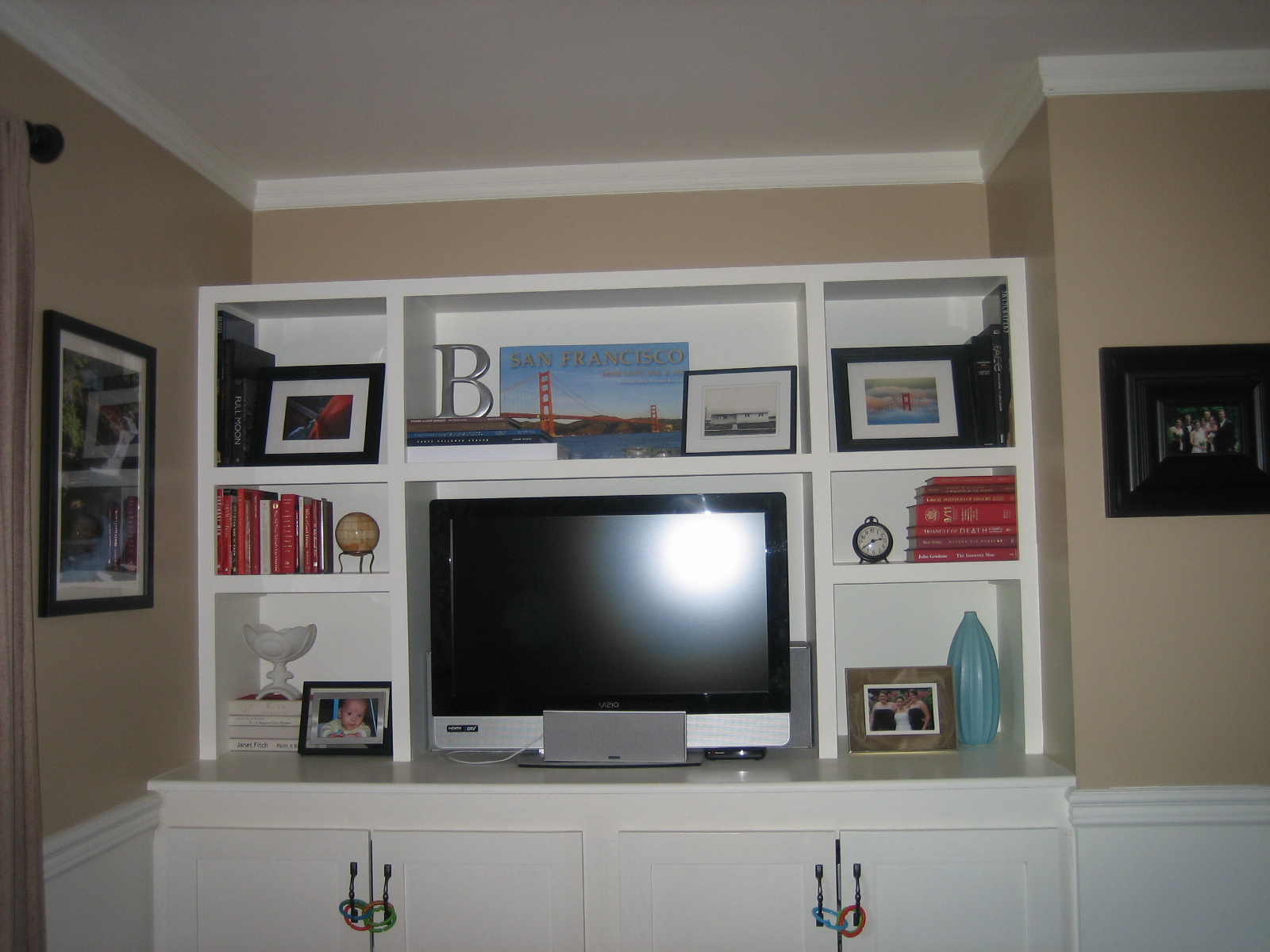
Our entertainment center had oil rubbed bronze door pulls.  I grew tired of the dark hardware, so a quick change of hardware made a big difference.

The new, modern style brushed nickel hardware gave the doors a quick face lift, all for about $12.00.

New hardware is a simple and often very affordable option to update furniture or cabinets.  Consider it jewelry and accessorize your home.

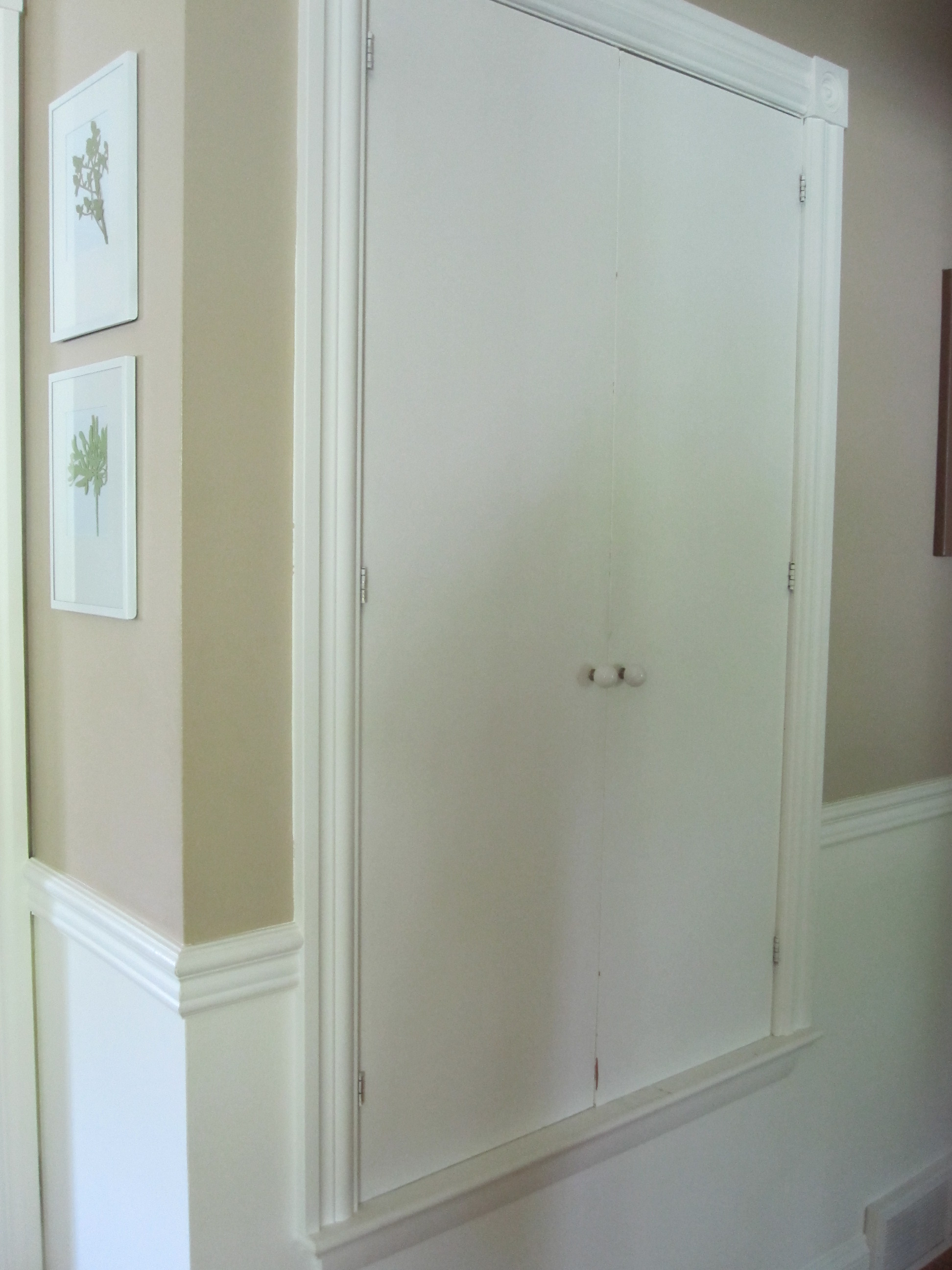
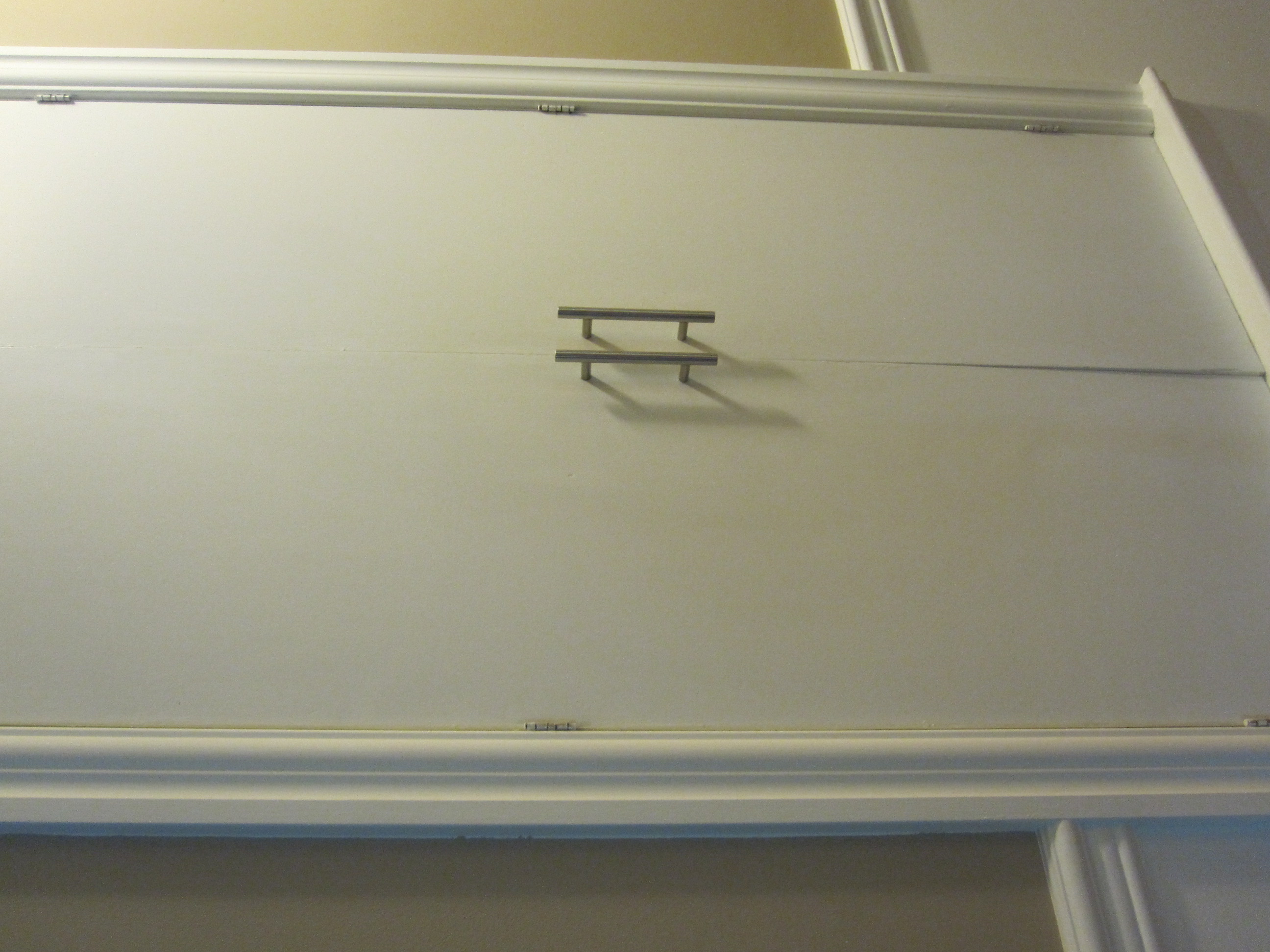
After I repainted our pantry, I decided it was time for new handles, so we removed the original boring white knobs and replaced them with the same sleek brushed nickel handles.

We had to drill two more holes for the new hardware, but that took less than five minutes and made a big difference.

Here’s a tip: buy hardware in bulk packs at Home Depot to get a better rate.

Now I want to know, what hardware are you coveting right now?  Do you have a piece of furniture that recently received a facelift with new hardware?

Decorated Bookshelf

A while ago, I shared how I refinished an old, worn bookcase,  I even showed the finished bookshelf, but I realized I haven’t shared pictures of it in the space, completely decorated.  So, here it is.

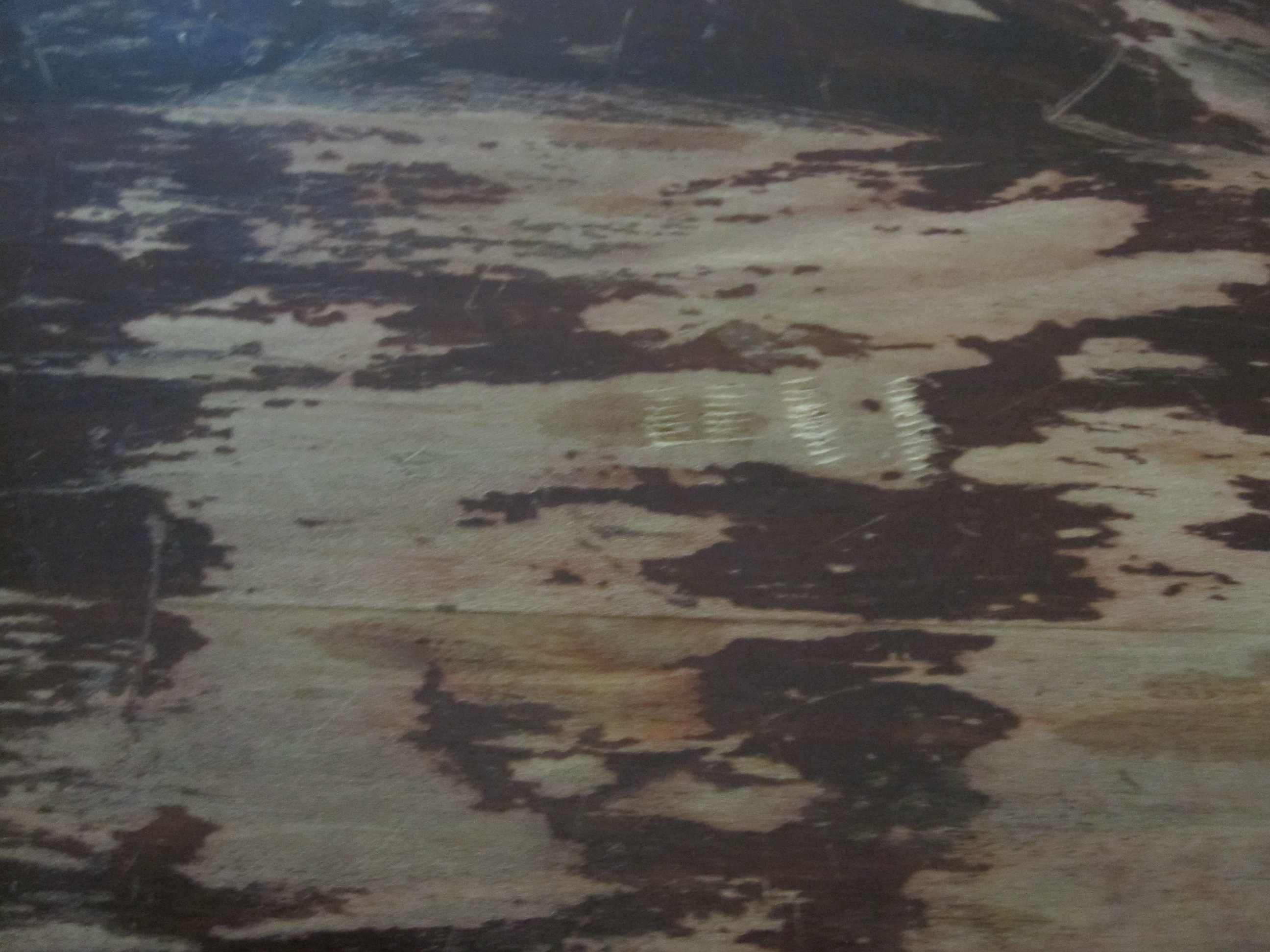
The top before refinishing was shabby, and not very chic.

The sanding, staining and polyurethane fixed that problem.

It took a lot of time, but it was definitely worth the effort to revamp this passed down bookshelf.  I really love how it looks in the room, too.

P.S.  If you like the Alphabet Tree painting in the photos above, you can get a printed version for yourself.

Refinished Bookshelf: Reveal

Last week I shared how I refinished an old wooden bookshelf for our boys’ room.  It wasn’t quite done then, but it is now and we love it.  Ben was skeptical when I started sanding, but he does admit that it’s pretty now.  I really love that we’ve brought new life into an old, seen-better-days piece of furniture, without paint.  Well, there is some paint.  The back panel had a little damage.

I knew I couldn’t fix the back and keep it stained, so I filled the damaged area with putty, let it dry, sanded, primed and painted everything.  After three coats of plain white paint, hours of drying, and a vacation in Minnesota, I was ready to finish what I had started.  Using a pin nailer, I carefully attached the 1/4 inch plywood back to the bookshelf.  I chose the pin nailer because it shoots nails that are literally the size of pins, without a head.  It’s great for small pieces that might split if larger nails were used. 

Once the back was secured, all that was left was to bring the shelf back inside.

Have you refinished a piece of furniture to give it a new lease on life?  Do you have any tricks or tips to share?