You + Me = Art?

Some of you may know that I create custom prints.  Well, I was working on the Carved Initials print for an order and a light bulb went off!  What if I made a ‘sculpture’ of a carved initials tree for our home?  So, I went out back to our woodpile and found a small log without bark.  It was just what I wanted.  Ben cut it down to size; it’s tough (not to mention unsafe) to work a circular saw with a six-month old in hand.  Then he scrubbed off the dirt and the last bit of bark.

Then I quickly drew a heart with B+A inside. 

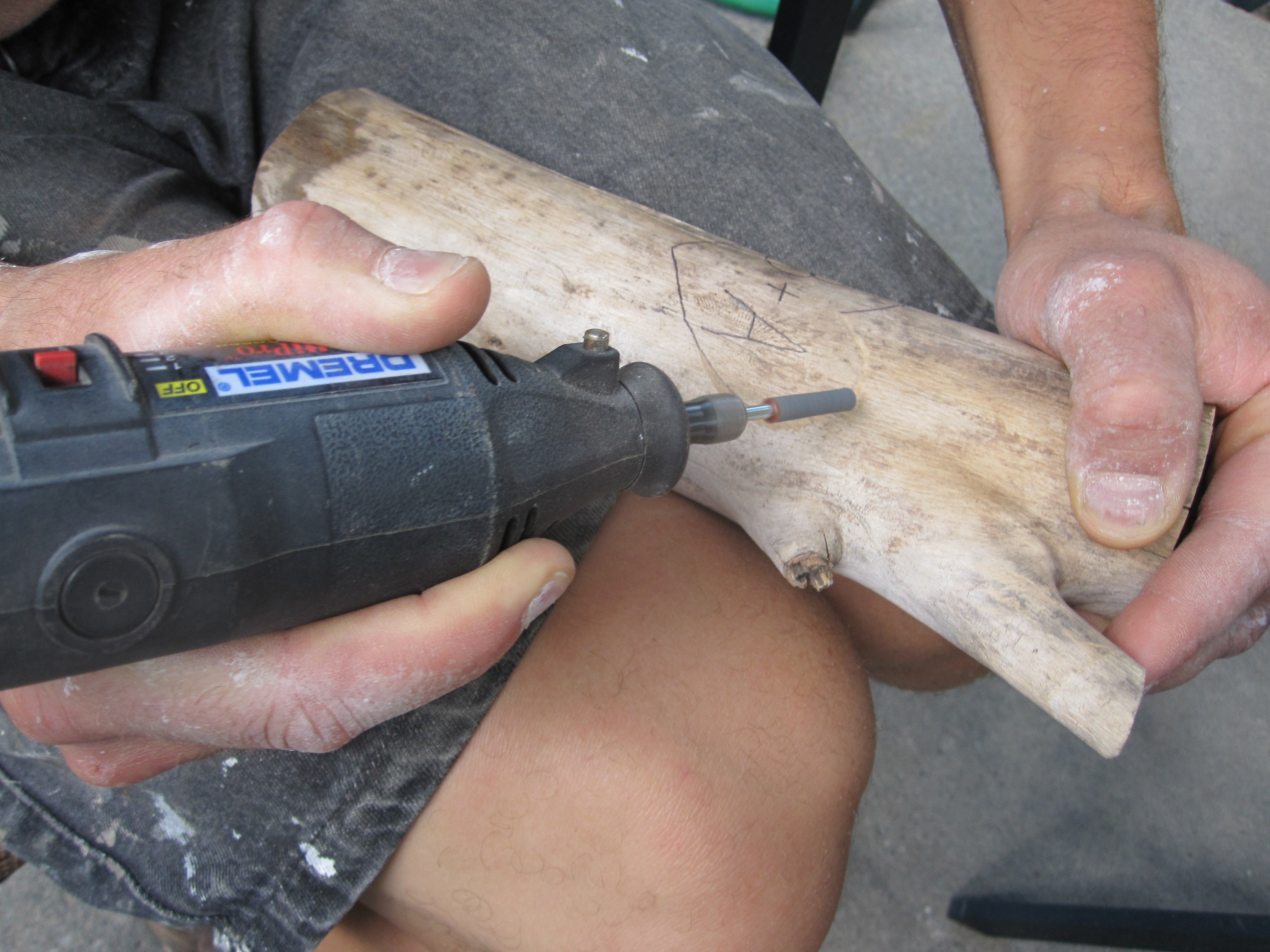
 Ben used a Dremel tool to ‘carve’ the heart and initials.  If you don’t have a Dremel, just do it the old-fashioned way.

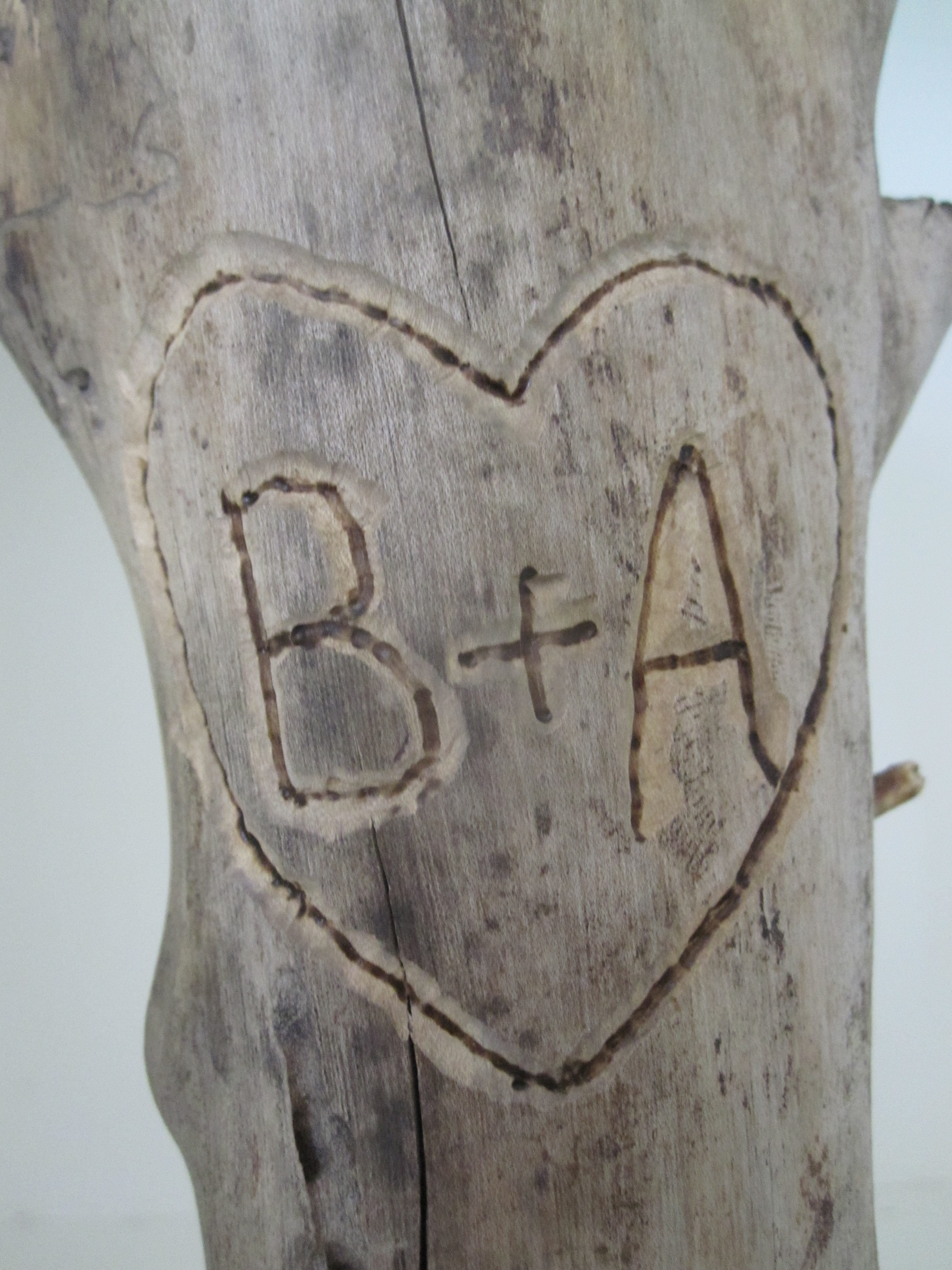
 The carved areas didn’t show up from far away, so Ben used a soldering iron to burn in the areas, but brown paint or stain would work just as well.  After it was burned in, it looked like this:

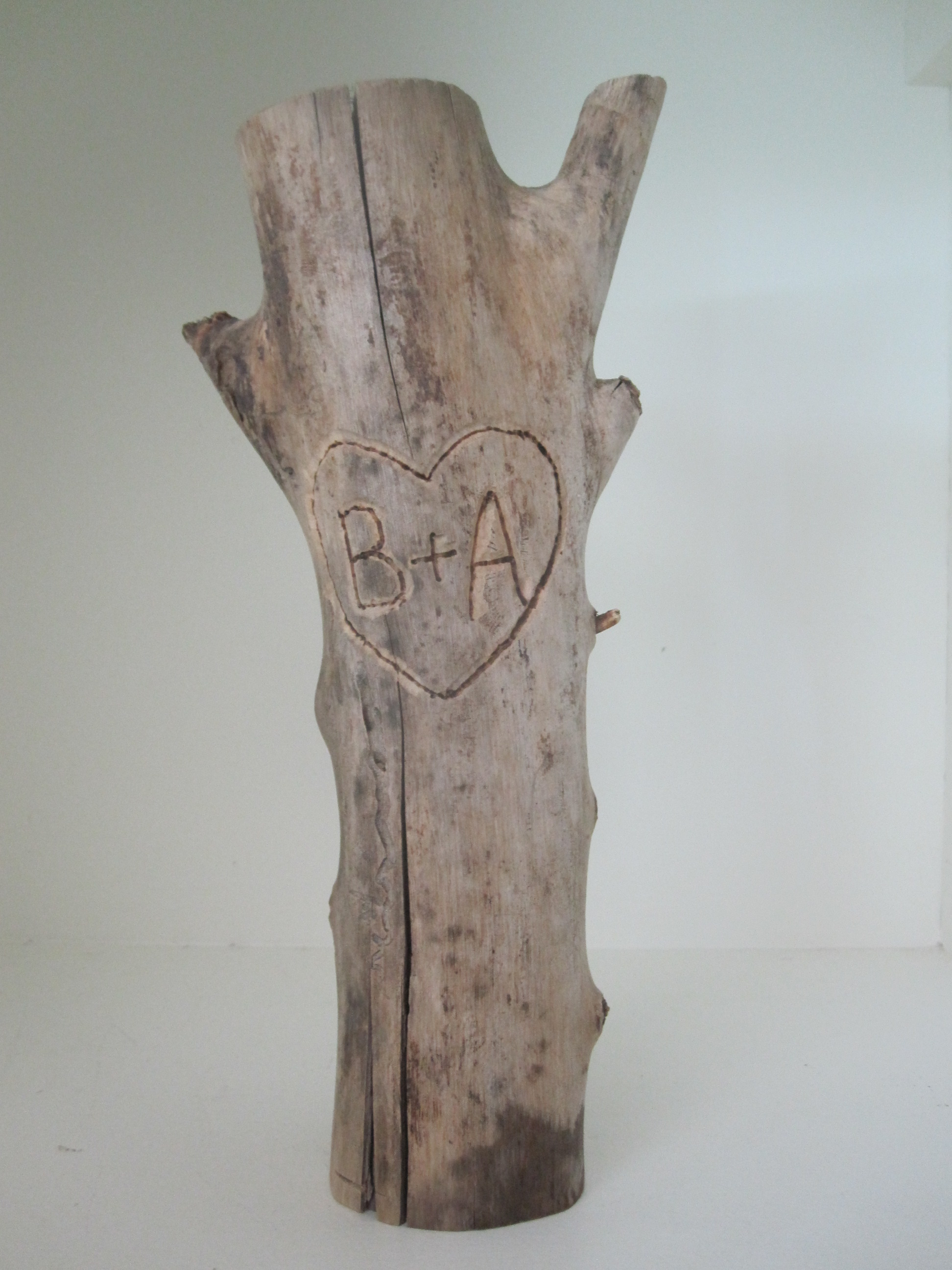
Overall, this piece is about 12 inches tall and 4 inches in diameter. 

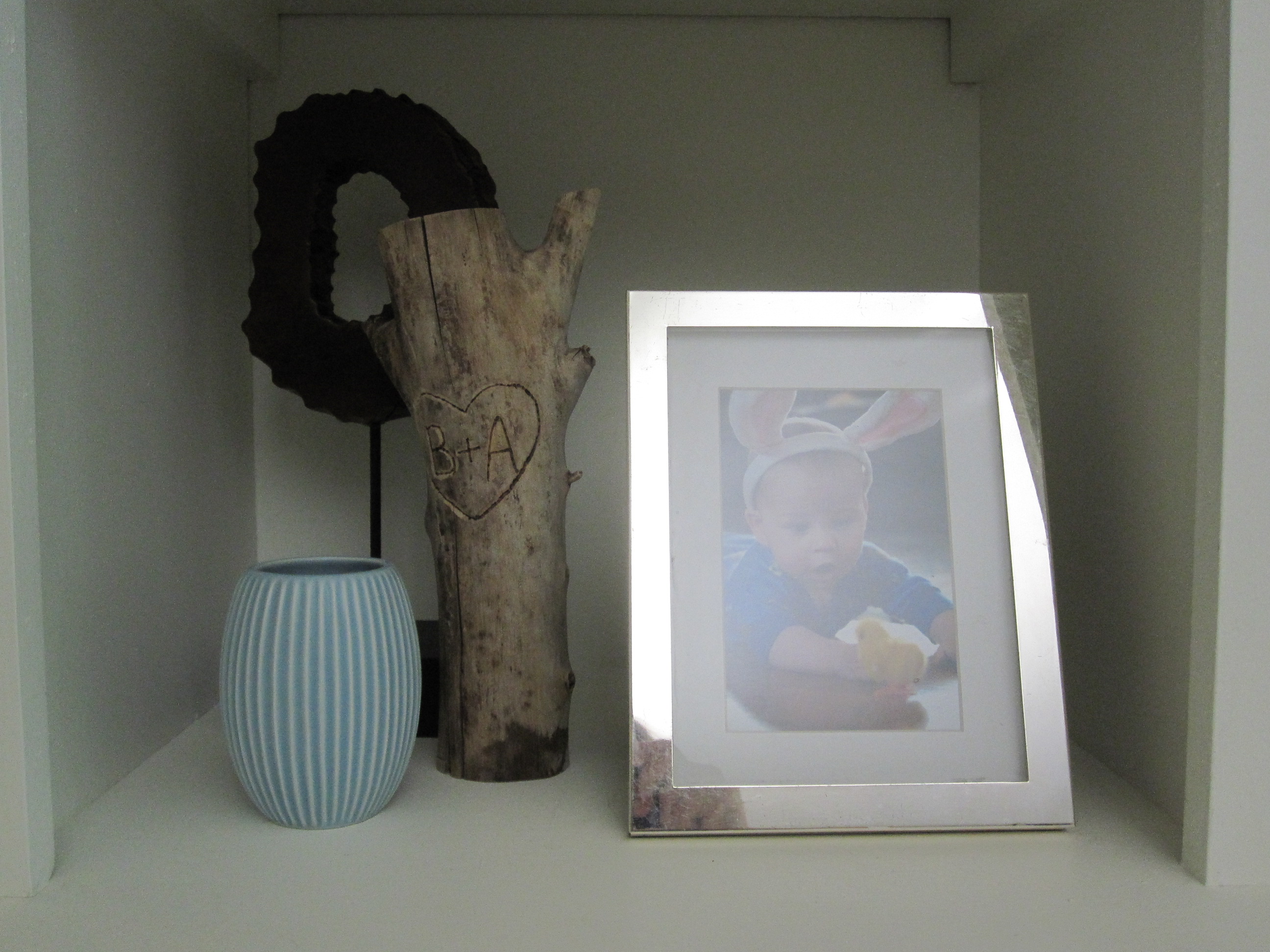
It hasn’t found a permanent home, but it’s on the entertainment center for now. 

I love that it is personalized, interesting, easy and quick to complete and FREE!  Where do you get your inspiration from?  What little things do you do to personalize your home?

Refinished Bookshelf: Reveal

Last week I shared how I refinished an old wooden bookshelf for our boys’ room.  It wasn’t quite done then, but it is now and we love it.  Ben was skeptical when I started sanding, but he does admit that it’s pretty now.  I really love that we’ve brought new life into an old, seen-better-days piece of furniture, without paint.  Well, there is some paint.  The back panel had a little damage.

I knew I couldn’t fix the back and keep it stained, so I filled the damaged area with putty, let it dry, sanded, primed and painted everything.  After three coats of plain white paint, hours of drying, and a vacation in Minnesota, I was ready to finish what I had started.  Using a pin nailer, I carefully attached the 1/4 inch plywood back to the bookshelf.  I chose the pin nailer because it shoots nails that are literally the size of pins, without a head.  It’s great for small pieces that might split if larger nails were used. 

Once the back was secured, all that was left was to bring the shelf back inside.

Have you refinished a piece of furniture to give it a new lease on life?  Do you have any tricks or tips to share?

Pillow Talk

Yesterday, I shared a felt circle pillow that tickled my fancy.  After looking at the picture for a few minutes, lusting after it, I realized it would be pretty simple to recreate the look.  I remembered that I had a few yards of a similar yellow colored felt that I bought on clearance last year, so I used that. 

First, I determined the size of my pillow.  I knew I wanted a rectangle, so I cut my piece of felt to a 12 1/2 inch by 18 1/2 inch rectangle.  Using a spool of ribbon, I traced a circle on to the felt and cut it out.  This circle was my template for every single circle to follow.  Why, you ask?  Because, dear reader, both sides of the circle are visible and I didn’t want pen lines all over.  That, and I don’t have a disappearing ink pen.  If you do, you could use that.  Because I didn’t, I pinned my template to the felt and cut one circle at a time, like this.

After cutting roughly 120 to 150 circles, I started sewing.  First, fold the felt in half to get a rough cross-section.  Pin the circle in place and sew straight across the center, in whatever direction you’d like.  Place the next circle close to the first and sew it in the center, going a different direction.  Continue placing and sewing the circles one at a time until you’ve covered the front.  There will be a few gaps between the circles, but it’s not a big deal.  Try to get most of the circles close together. 

Here’s a tip: Start from the center of the pillow and work your way toward the edges.  Once you’ve added many circles, there’s a lot of fabric and it becomes difficult to reach the center.  I learned this the hard way. 

Here’s another tip:  Keep 1/2 inch perimeter without circles, for your seam allowance.  Then, pin any loose ends toward the center of the pillow before you sew the back on.  This will prevent edges from getting sewn where you don’t want. 

For the back, I cut two  12 1/2 inch high by 12 inch wide pieces of scrap white cotton to make the back.  The process is very similar to this envelope closure pillow.  The only difference is it’s not all one piece.  Start by folding and pinning the short edge.  Fold over and pin again, then sew the along the edge for a nice, clean seam.  Once both edges are sewn, place the pillow front face up.  Add one of the back pieces to meet the edges of the front, face down.  Pin in place.  Add the second piece, keeping a few inches of overlap and pin, face down.  Sew all four edges and cut the corners.  Turn right side out, stuff with a pillow form and enjoy your work. 

 Wondering where the cable knit pillow came from?  I made that from an old sweater.  Follow the instructions above, substituting the felt circle front for a chunky knit sweater and voila!  Instant fall and winter warmth without a hefty price tag.  While we’re on the topic of pillows, check out this one for our theater room.

We’ve decided to add pops of yellow to our windowless theater room to brighten up and bring life to the space.  It also doubles as a great fall color, but can be used year round, bonus! 

Have you started any fall decorating?  What do you think is the best or quickest or easiest or all the above way to inject seasonal accents to seamlessly blend with the rest of the decor?

How To: Refinish a Bookshelf

We have this little bookshelf in the boys’ room.  My mom gave it to us, but it was originally her grandparent’s shelf.  It’s functional and cute, right? 

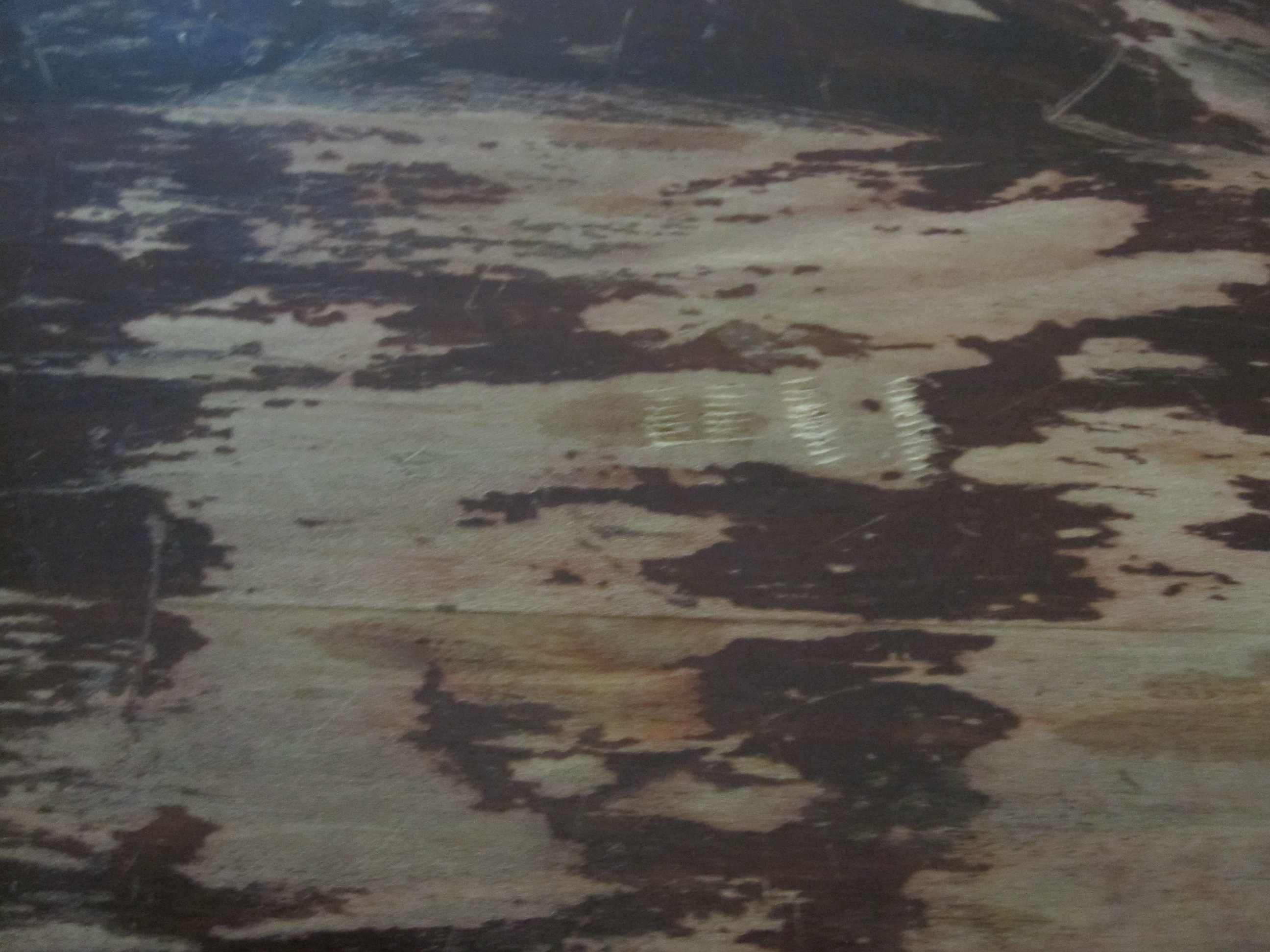
Well, it’s not so cute when the books have been removed; the finish has seen better days. 

The top was even worse, too!
We have had this bookshelf for three years (or more) and have never done a thing to it.  Until now, that is.  I finally got an itch to refinish this sad little guy. 

It all began with a random orbital sander.  I started by sanding the top with 220 grit paper to completely strip the stain finish.  Then, I worked my way down the sides, sanding with the grain of the wood. 

Once I had the top and outsides sanded, Ben removed the back and I worked on sanding the fixed shelves (both the top and under sides) as well as the inside walls. 

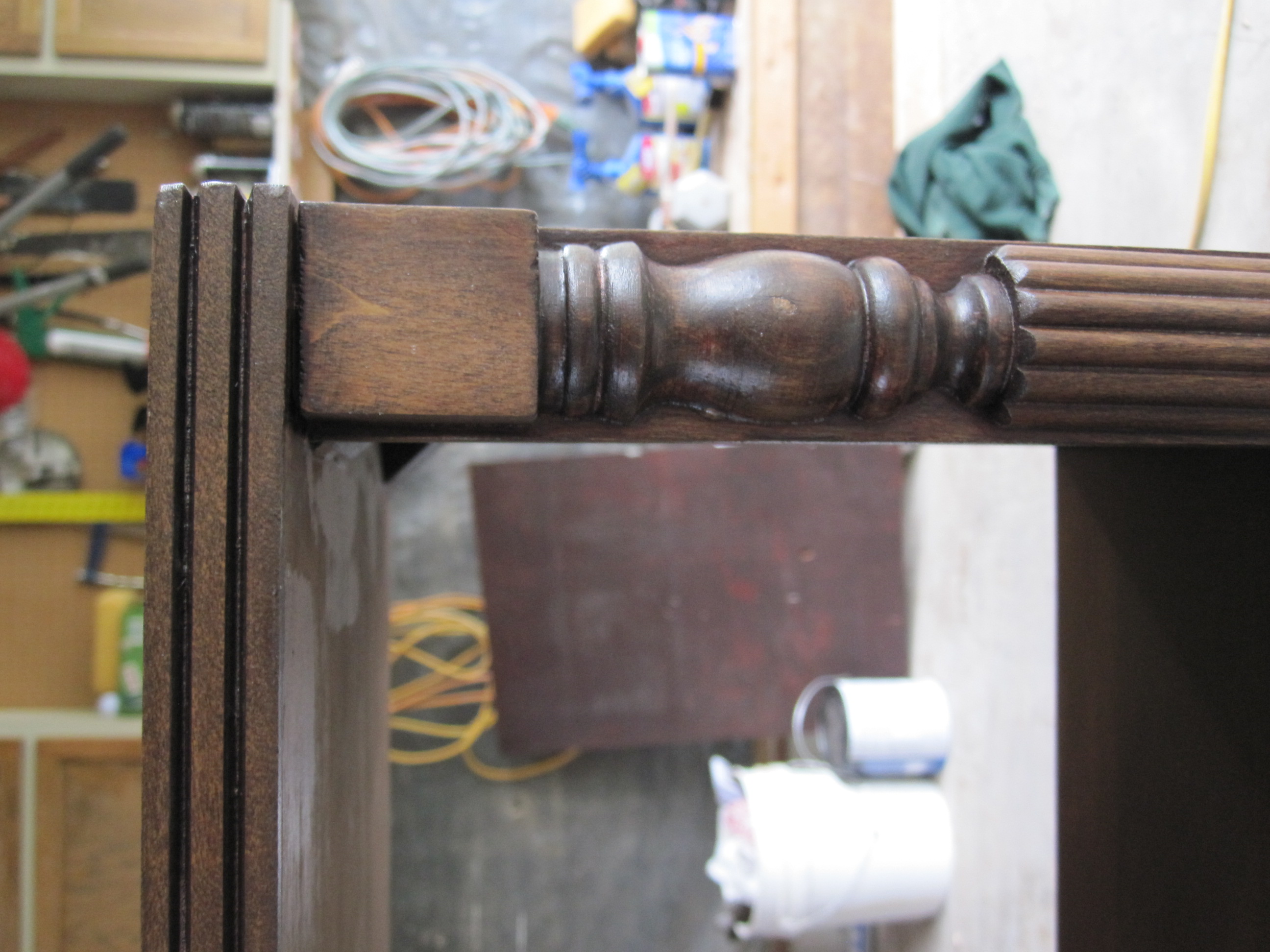
After completing all the smooth flat surface areas, I began the tedious, time-consuming task of hand sanding the detailed areas of fluted half round and the finials.  This involved 100 grit sandpaper, folded in half to get into the crevices of the fluting.  It took a good two hours to get the detailed areas sanded smooth, but I knew the end result would be worth it.

I wanted to keep the dark wood tone, so I bought a quart of Minwax Dark Walnut stain.   

Using a synthetic bristle brush, I began applying the stain in small areas to the shelves.  Working quickly, I wiped the area with an old, cut up T shirt to remove excess stain.  I kept a ‘wet edge’ of stain to prevent any overlapping that might make the color uneven.  I continued this process until the entire bookshelf had a coat of stain. 

I let the stain dry overnight.  Once Everett went down for his morning nap, Vincent and I went back to the garage to give the shelf one more coat of stain.  The second coat gave the rich, luxurious walnut tone I had in mind.

Now that I had the color I wanted, I needed to protect my hard work.  I applied two coats of Varathane Diamond Water Based Polyurathane satin finish to seal the wood and prevent scratches and future damage. 

Just a little note:  This was my first attempt to completely refinish a piece of furniture.  By no means am I an expert, but I think the bookshelf turned out pretty great.  It was time consuming, but not very difficult or expensive.  Speaking of expenses, I here’s a budget breakdown.

Sander and paper: $0.00 (already owned)

1 Quart Minwax Stain: $7.78

Varathane Polyurathane: $0.00 (already owned)

Total Spent:  $7.78

Time:

Sanding: 4 hours

Staining:  2 1/2 hours

Polyurathane Application:  2 hours

Total Time Spent:  8 1/2 hours

Not too shabby, huh?

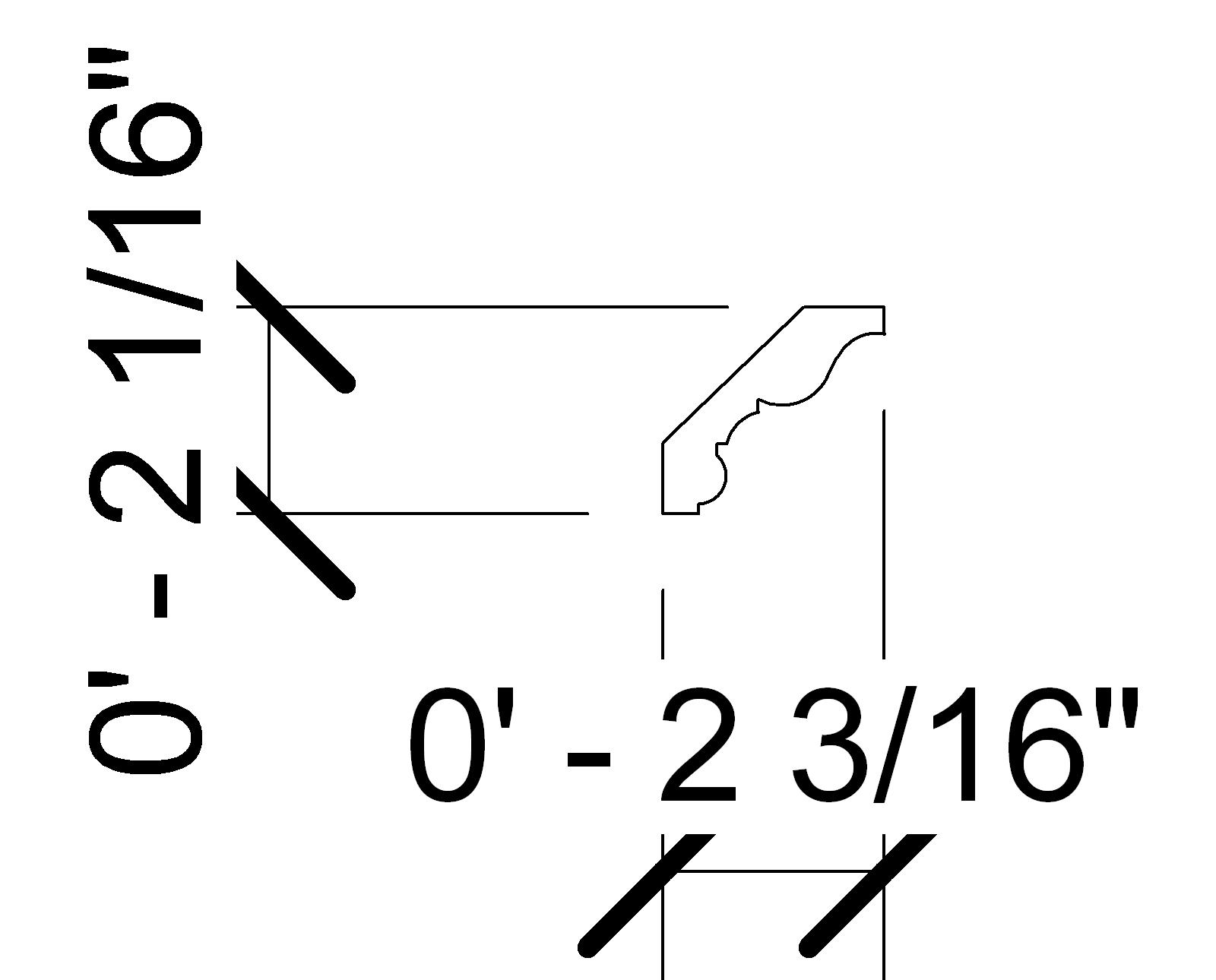
Simple Solution: Crown Moulding

Do you love the look of crown moulding but can’t afford it?  Maybe it’s just a little too difficult for you to install on your own?  Well, we have a solution for you.

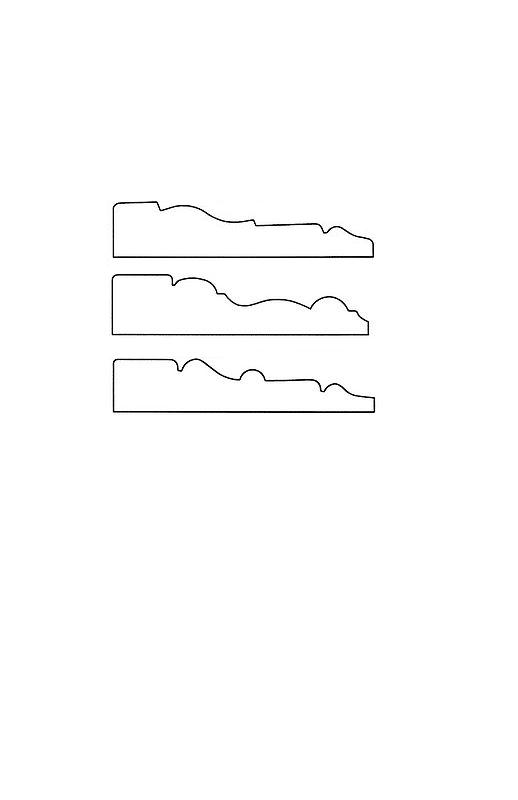
Rather than using actual crown moulding, use decorative casement trim.  Choose a trim with one 90 degree angle and a flat back, similar to these:

Place the square edge along the ceiling and secure with nails. 

This trim is very easy to install and is more affordable than actual crown moulding.  Of course, the ‘crown’ moulding won’t have a 45 degree angle from the wall to the ceiling.

Paint the ‘crown’ the same color as the rest of the trim and it will make the room look polished.