Mini Halloween Haunted Houses

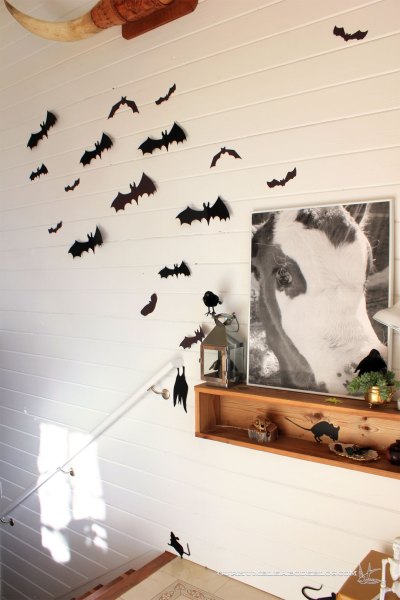
I’m assuming most kids love decorating for holidays, Halloween included.  My boys certainly do and hounded me to start decorating as soon as the calendar turned to October.  The bats from last year were a favorite so they’re back.

Halloween-Entry-Decorations-from-Door

To change it up a bit, we varied the pattern, the boys standing back telling me to go higher, lower, left, or right.  Setting the fake crows around was a big hit with them, too.

Halloween-Entry-Decorations

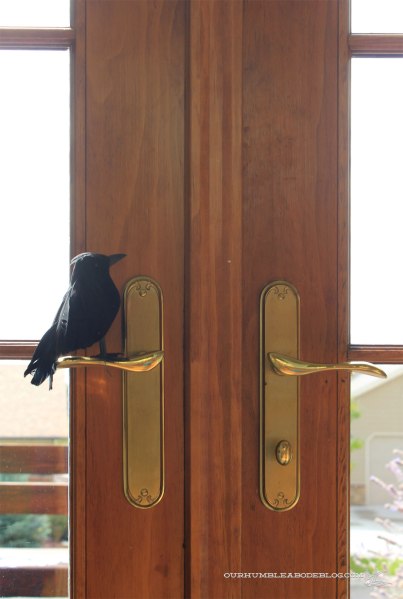
On the lamp, even one on the door handle.

Halloween-Crow-On-Door

I surprised them after school with a new decoration, a street of mini haunted houses on the entry shelf.

Halloween-Entry-Overall

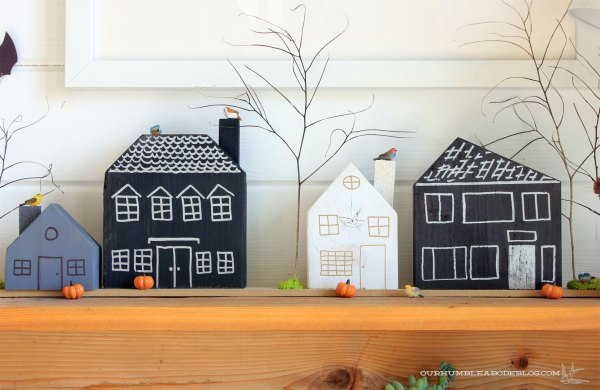
Using scrap 2 x 4 and 2 x 6, I cut small house shapes, then attached tiny chimneys of scrap strips.

Halloween-Haunted-Houses-Cut

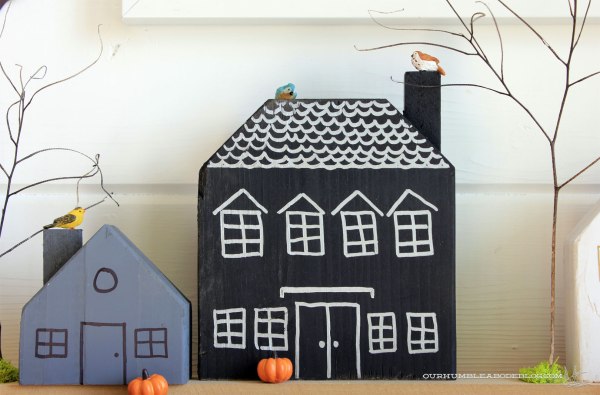
Once spray painted black, white, and gray, I used Sharpies to add details like windows, doors, and shingles.

Halloween-Entry-Haunted-House-Village

Ev’s mini food/critter obsession came in handy and he placed pumpkins outside each door and birds perched on rooftops and around trees.

Halloween-Entry-Small-Houses-Tops

Small twigs are hot glued to a thin MDF strip to look like dead trees, bight green moss around the bases to hide the glue.

Halloween-Entry-Tiny-House-Detail

Halloween-Entry-House-Tops

In years past, we’ve gotten two trick-or-treaters so I don’t care to go all out decorating.  Instead, just enough to make the boys happy.  Since the houses are a hit, maybe I’ll make another set for Christmas.  How do you decorate for seasons?  All out or just a splash in high traffic areas?

King Bed Build Plan

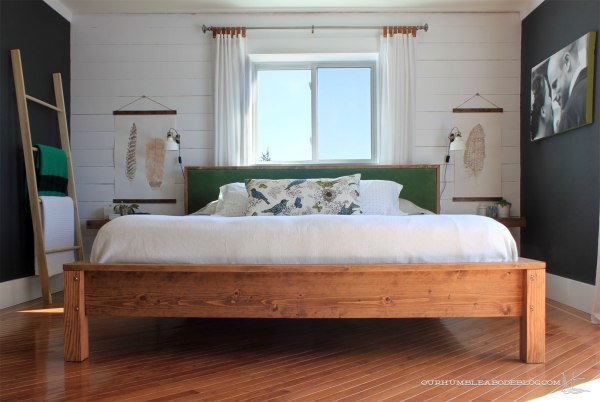
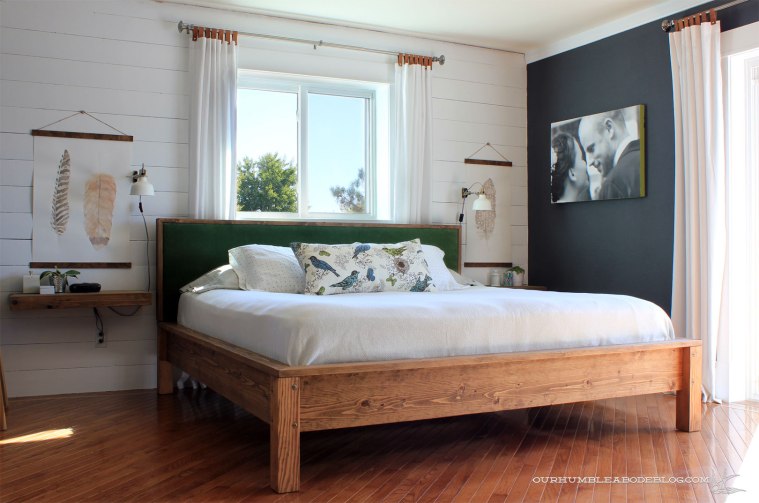
When you’re on a budget and have something specific in mind, DIY is such a good option, allowing customization and a lower price point than most store options.  That’s how our king sized bed came to be, and cost less than $200 for every last supply.
King-Bed-Frame-Finished-Overall

Fortunately, this wasn’t our first bed building experience-we made a captains bed for our smaller bedroom at our last house and a bed for each of the boys about two years ago.

Boys-Bedroom-with-Large-Rug-from-Closet

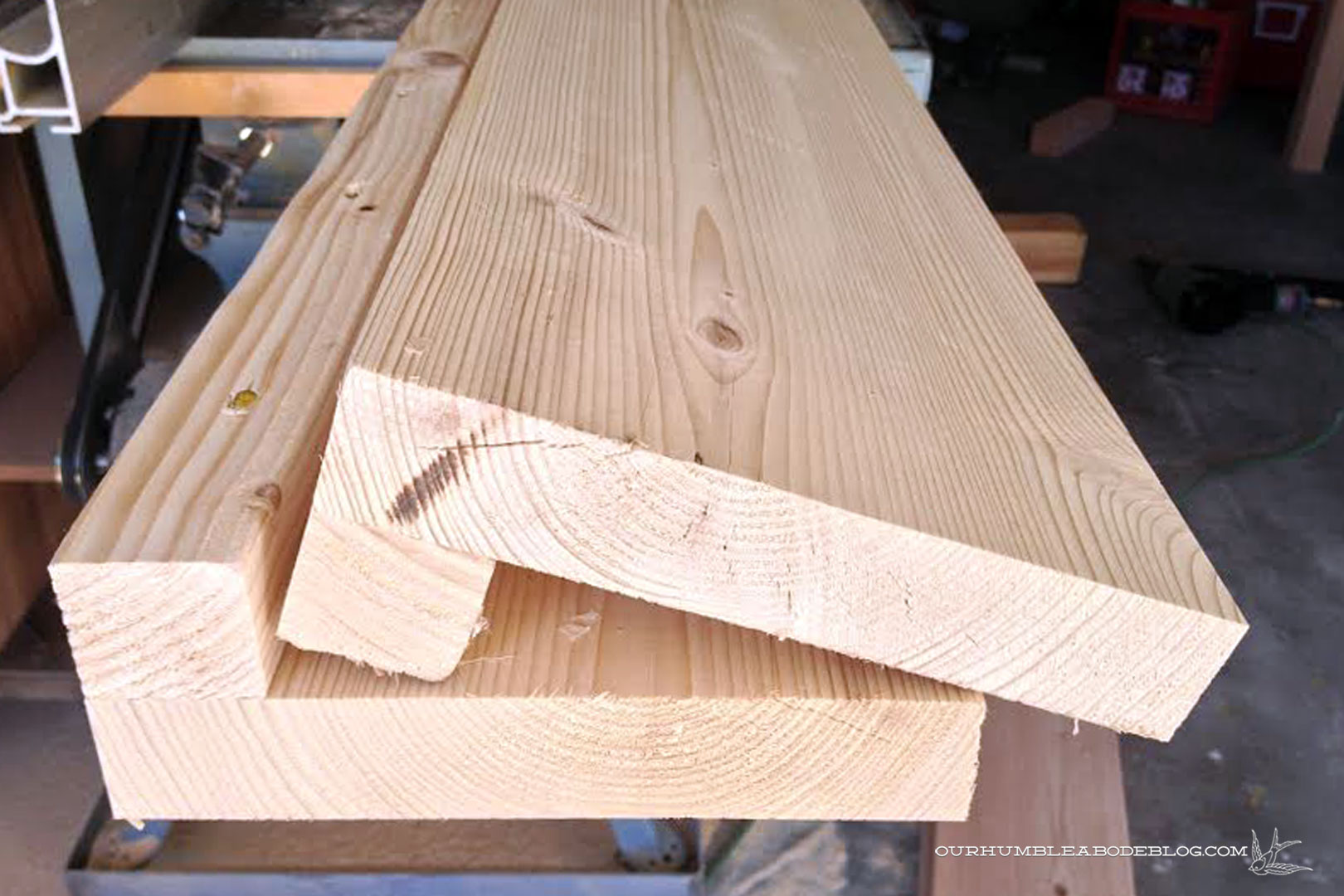
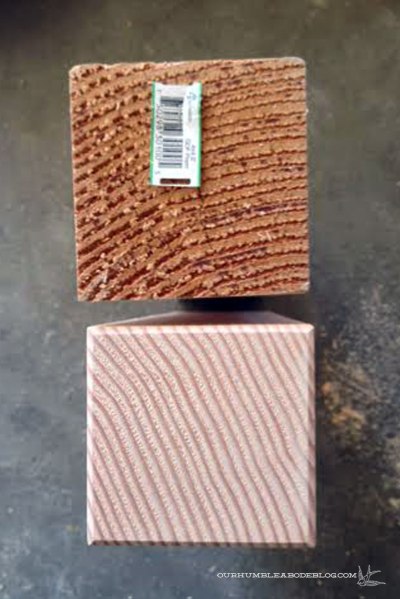
In fact, the process for creating our bed was very similar to the steps we used to make a set of twin beds.  First, we cut a 4 by 4 post into 16 inch lengths, then running the sides through the table saw to create a 3 1/4 inch square, just to take the rounded edges off, looking less like dimensional lumber.  With a sander, I angled the tops of each post an eighth of an inch, just to ease the seam.  Here’s a normal post next to a finished one for comparison.
Building-Bed-Frame-Posts

To securely fasten the side rails into the posts, we measured 1 1/2 inches and 6 1/2 inches down from the top of the post.  For the head and foot rails, we measured 2 inches and 6 inches down.  Staggering the screws is a very important step because the screws are going in perpendicular and you don’t want them to hit.  It’s easiest to place the post in the corner and mark 3/4 of an inch in from the edge where the rail will go in.  Pre drill holes through the post, keeping the drill as plumb as possible to avoid the screws going in wonky.

Building-Bed-Frame-Post-Drilling

For a beefier, well proportioned bed we used 2 by 10 boards for the rails, with a half strip of 2 by 4 nailed along the base.  Again, we ran each through the table saw to cut away the rounded corner.

Building-Bed-Frame-Side-Rail

Large beds are difficult to maneuver, getting around corners and through doors, so we built each side to come apart easily.  For even easier disassembly/moving, Ben attached spacers to the side rails, leaving enough room for a vertical 2 by 4 between each.  These keep the mattress cross supports in place without nails, meaning the supports are removable without tools!

Building-Bed-Frame-Side-Spacing

Along the head and foot rails, we secured a 2 by 4, to give the OSB a ledge to rest on, keeping it flush with rest of the cross supports.

Building-Bed-Frame-End-Rail

Below, the rails are ready for the corner posts.

Building-Bed-Frame-Corner-Above

Building-Bed-Frame-Corners

On a level surface, lay all the pieces out upside down, which keeps the tops of the rails and posts flush.  Then drive a 6 inch long screw through the post and into each rail.

Building-Bed-Frame-Post-Detail

While still in the garage, we assembled the bed to make sure everything fit, then took the side rails apart, leaving the legs attached to the head and foot sections before staining.

Building-Bed-Frame-Assembled-in-Garage

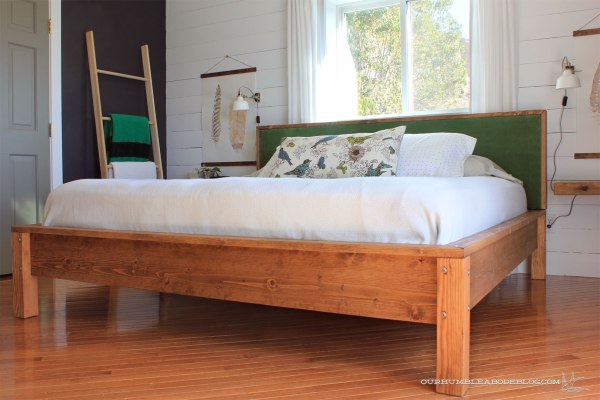
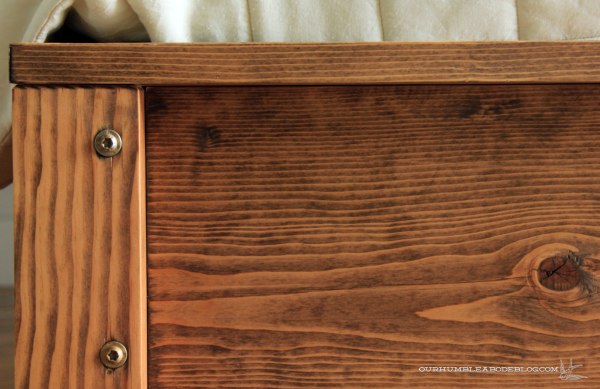
Our finishing cap that covers the posts and rails is also a 2 by 4, but planed down to a 1 inch thickness and cut to match the post width of 3 1/4 inches.
Building-Bed-Frame-Post-and-Cap

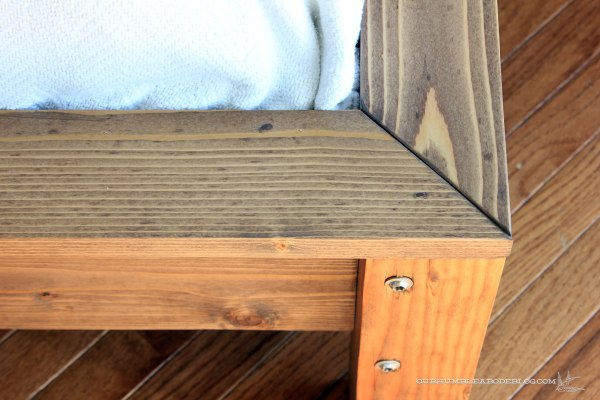
Mitered corners on the foot end, but a square-cut at the head end to tuck under the headboard.
King-Bed-Frame-Finished-Corner-Detail

Once stained, oiled, and dry, we hauled the pieces up and put it back together, just like Humpty Dumpty.  In go the cross supports, spaced 16 inches on center.  Ben builds everything to allow a large pachyderm to be able to use it, so no creaking, squeaking, or wobble going on here.
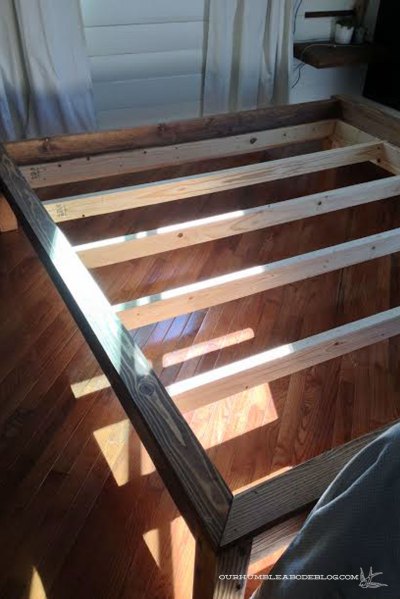
Building-Bed-Frame-in-Room

Then the OSB sheeting.

Building-Bed-Frame-OSB

The headboard is a sheet of OSB cut two inches narrower than the frame, then the edges are thickened up with a half strip of 2 by 4.  I wrapped batting, then the velvet over, stapling to the underside of the 2 by 4 edge.  Once the upholstery was done, we nailed a 1 inch wide wood strip around the sides to finish it off.

King-Bed-Frame-Finished-Headboard-Detail

Two by six sections run vertically, screwing into the back side of the head rail to attach the headboard.  Overall, the bed took us about 6 or 8 hours to build and finish from scratch.  And in those hours, we saved roughly 1600 dollars, which is far more than my hourly pay rate of nothing.

A Bed Frame Fit for a King

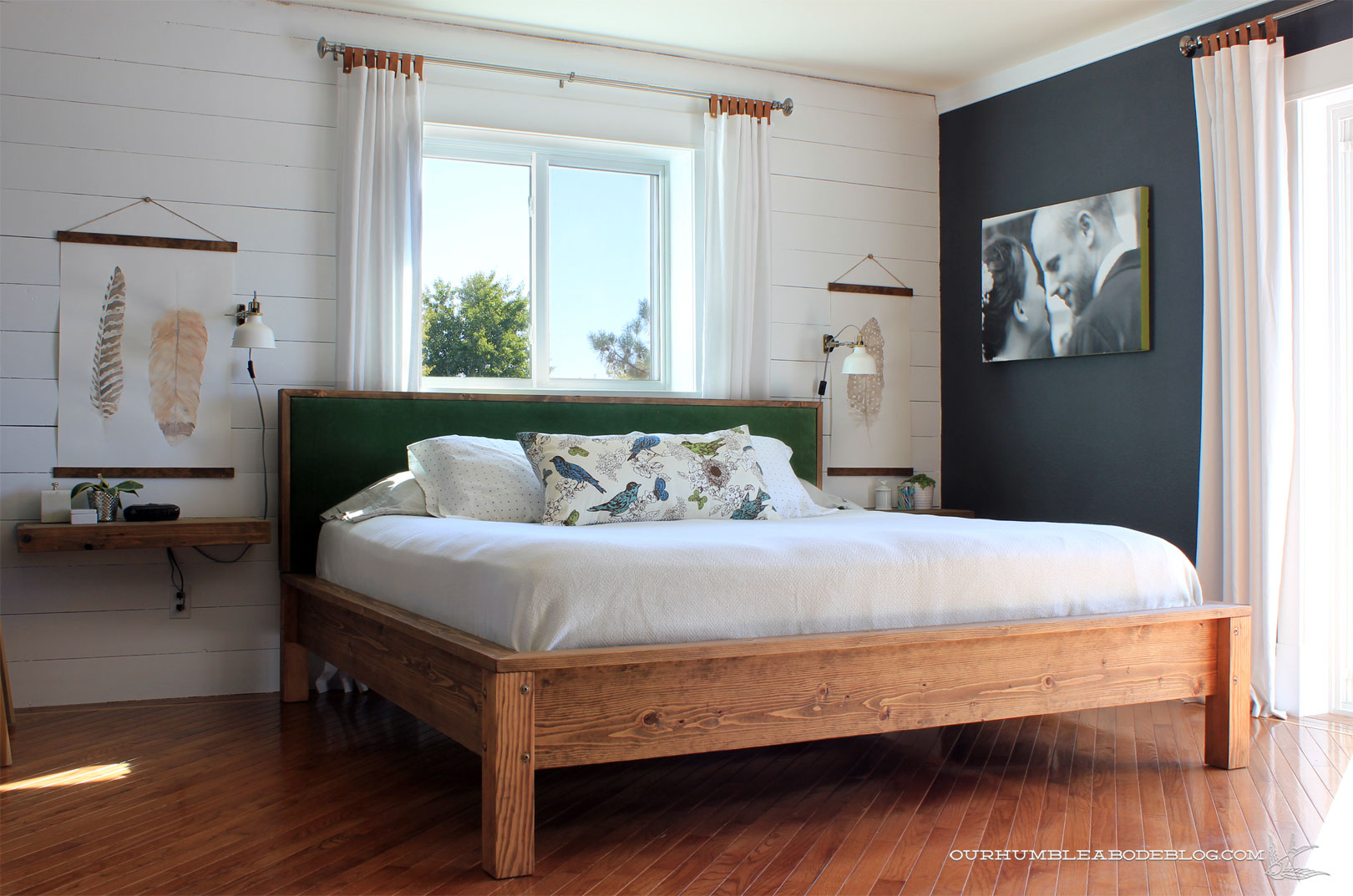
Well, it took three years, but our room now boasts a legitimate, 100% finished bed frame and headboard.  I veered away from the original plan for a white painted bed, opting for a stain with a linseed oil finish.  If perhaps down the road we prefer a painted bed, it’s much easier to go from stained to painted than the other way around.

King-Bed-Frame-Finished-in-Bedroom

We followed a similar style to the Sierra bed from Crate and Barrel, replacing the angled wood headboard for a colorful upholstered head.

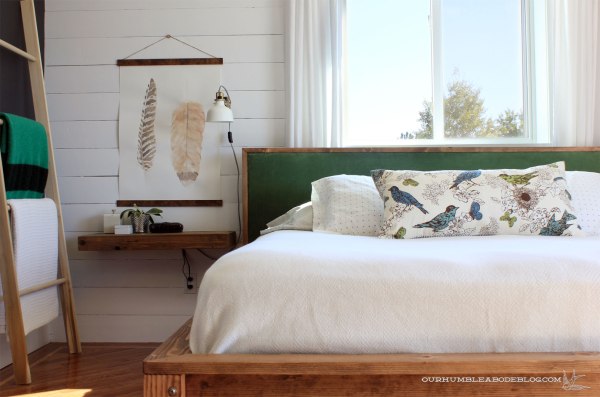
Because the bed sits directly beneath the window, I worried about the green velvet fading with sun exposure.  To prevent uneven coloring, I pitched the idea to Ben of wrapping the headboard with a wood band.

King-Bed-Frame-Finished-Headboard-Detail

King-Bed-Frame-Finished-Headboard-Detail-2

The headboard frame is the same width and thickness as the border around the bed base.

King-Bed-Frame-Finished-Left-Side

King-Bed-Frame-Finished-Corner-Detail

With the wider frame edge, we extended the headboard to the edges, leaving three inches exposed on either side.

King-Bed-Frame-Finished-Left-Side-Nightstand

King-Bed-Frame-Finished-2

Adding that dose of color to our otherwise neutral room is exactly what I was looking for.

King-Bed-Frame-Finished-1


Colorful, but not obnoxiously so and looks great against the white wall.

King-Bed-Frame-Finished-Overall

I’m working on the building plans and step by step process to share soon.  Meanwhile, I’m brainstorming bench options for the base of our bed.  With all the wood in here now, I’m leaning toward a metal base with an upholstered top.

Bed Plans

When I left off with the bedroom changes-painting the accent wall white, updating the art and lighting situation-I mentioned needing a new bed.  Since moving in this house, we’ve severely lacked a real bed.  Immediately after moving in, we used a metal frame with the headboard from our old guest room, which was a slight step above a poor college student mattress on the floor look.  For crying out loud, we didn’t even have a bed skirt to hide the box spring.
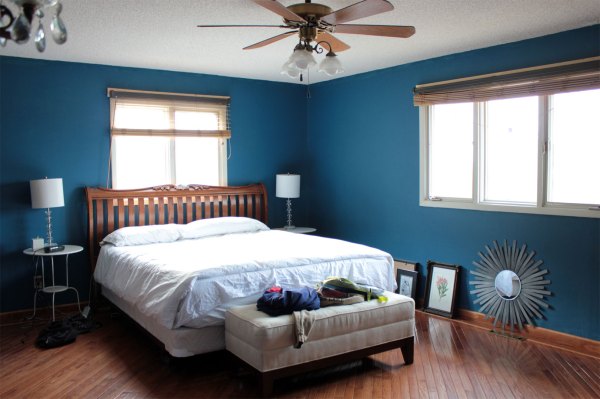
Master-Bedroom-After-Move-In-April-30

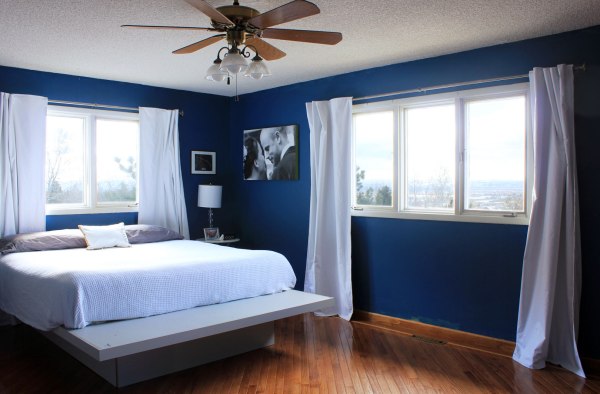
After getting sick of the wobbly headboard, we quickly built a platform frame with a built-in bench at the end.  Neither of us really loved it, so we never finished it off with an upholstered seat and headboard.

Master-Bedroom-Painted-Blue-Sage-from-Door

It stayed this way until this spring when we hacked off the bench in an attempt to salvage the frame.

Master-Bedroom-3-Years

So that’s where we are today, with a half-finished frame neither Ben or I like.  Instead, I have plans for a new frame.  Something simple, with an upholstered headboard.  I really like the clean, simple look of this West Elm bed frame:

I’m just not sure I want that much space between the floor and the bottom of the rails, because I think our king bed would look like it’s floating.  On the other hand, I think this beautiful Restoration Hardware bed is a touch too close to the floor, which would make it nearly impossible to vacuüm/clean under.  Yet again, those simple lines are what I’m after.

Then there’s this Crate and Barrel beauty:

The proportions are great, and I love the thicker cap surrounding the mattress, but I wouldn’t get the soft fabric headboard I’m dreaming about.  Oh yeah, and I’m entirely too cheap to spend $1,800 on a bed frame.  To save oodles of money and get exactly what we want, we’re planning a DIY build, a modified version of the beds we built for the boys’ room.

Boys-Bedroom-with-Large-Rug-from-Closet

The legs and frame will look similar, but we’ll add a cap over the legs to beef up the frame.  Also, the head and foot of the frame will look the same, but we’ll attach an upholstered headboard to differentiate between the two.

King-Bed-Frame-Build-Plans

Instead of sealed wood, I’m leaning toward white paint, to help blend in with the wall and allow the headboard to be the star.  Though a dark stained wood to match the nightstand could look nice, too.

Master-Bedroom-Accent-Wall-Painted-Left-Nightstand

Regardless, it’ll be nice to finally have a finished bed to complete the room.  What’s that lingering thing looming over your head?  Not that there’s only one, in fact, I’d safely say there’s one thing in each room of our house.

Painting a Wood Wall White

Last I shared our master bedroom, it looked like this:

Master-Bedroom-3-Years

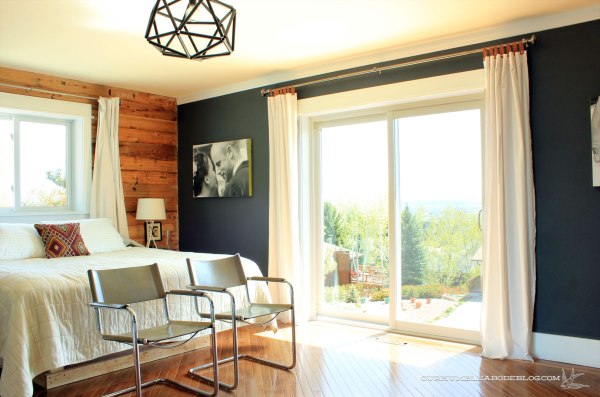
We had made some progress, especially compared to our starting point, but the to do list still had plenty of unchecked boxes including a new bed, seating arrangement, and possibly painting the wood wall white.

Master-Bedroom-from-Door-One-Year-Later

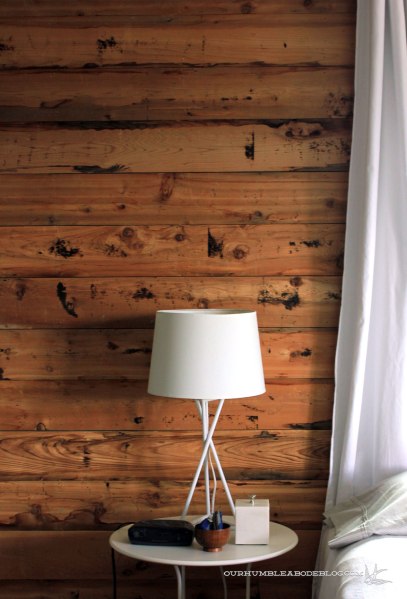
That last item, painting, was something I’d been considering for a while, to better flow with the white tongue and groove planks in the adjacent bath, entry, and kitchen.  Having painted new wood before, I suspected this reclaimed wood would toss me a curveball thanks to all the tar paper residue.

Reclaimed Cedar Planked Wall

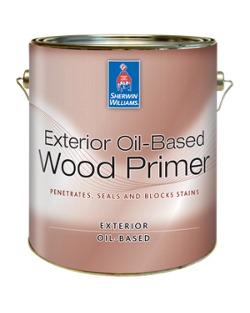
Fortunately, after painting our deck ceiling, I had the perfect product in my possession: Sherwin Williams Exterior Oil-Based Wood Primer.

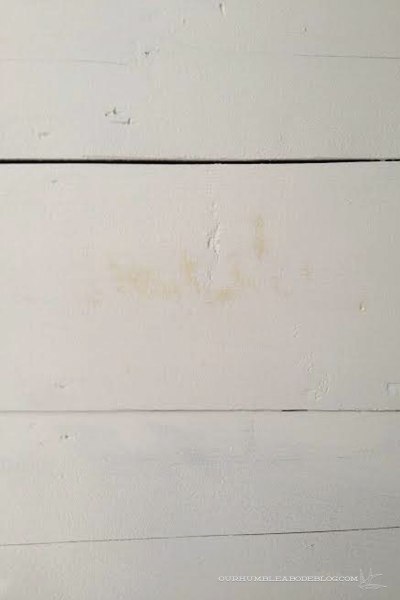
The reason I had to wait so long to tackle this step was the uncooperative weather.  Stupid summer with temps constantly in the 90’s.  Oil-based primers and paint are always stinky, so I waited for a few days of cool weather that would allow open windows and proper ventilation of the room.  My first coat of primer covered the wood beautifully, but the tar areas bled through lightly.

Accent-Wall-First-Primer-Coat

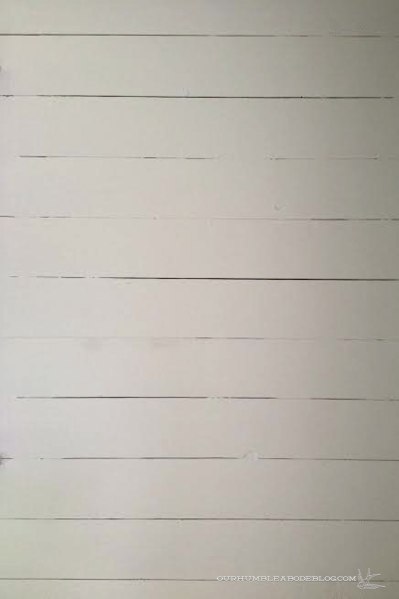
Per the instructions, I waited 24 hours before reapplying a follow-up coat for thorough, opaque coverage.  This primer is thick, and filled in some of the spaces between the boards, making it look sloppy.

Accent-Wall-Primed-Two-Coats

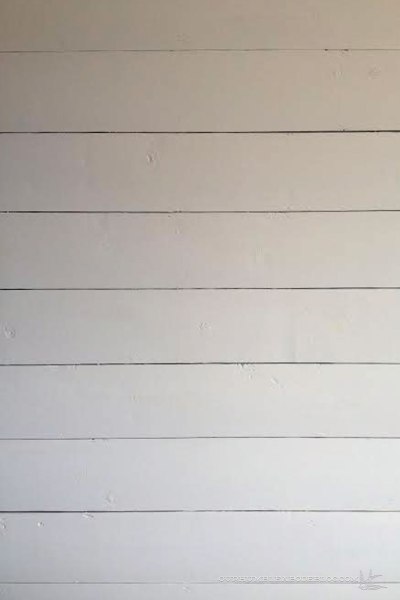
Knowing I’d still have to paint, I held off cleaning out the grooves.  After two coats of white paint, I used a utility knife to scrape the paint out, leaving clean gaps and a full textured ship lap looking wall.

Accent-Wall-Painted-Seams-Cleaned

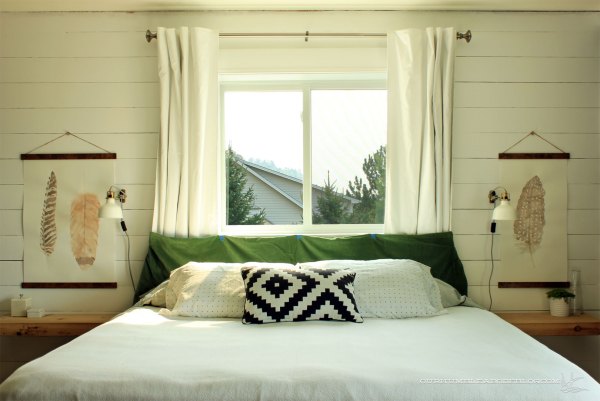
Though I liked the warmth of the wood wall, it didn’t flow with the rest of the room or house.  Painting the accent wall white gives me a blank slate to work against.  Moving forward, I still have projects to tackle, like a new bed, complete with a lovely green velvet upholstered headboard hence the taped up text fabric.

Master-Bedroom-Painted-Accent-Wall-with-Green-Fabric

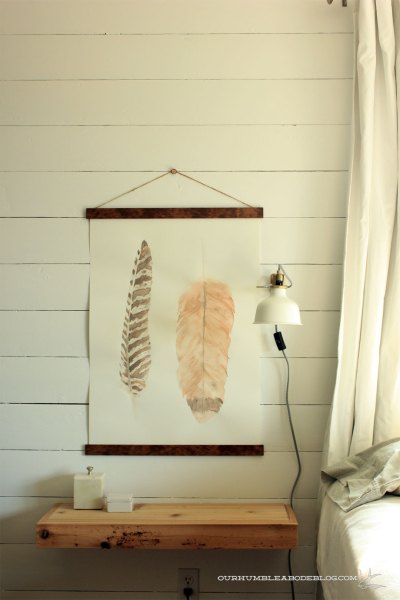
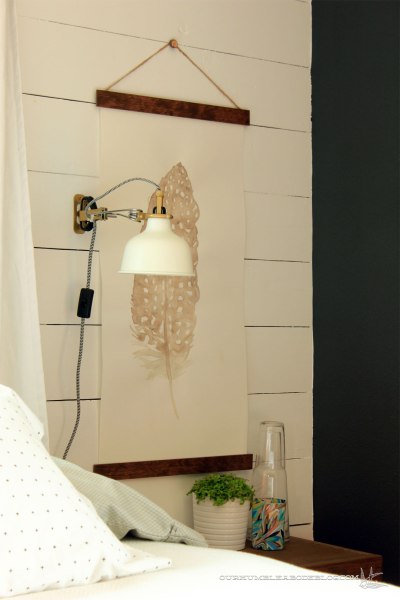
While I was making changes, I switched out the lamps and art.  The triangular lamps I made took up a lot of space on our floating nightstand, so while in Minnesota I picked up two Ranarp sconces from Ikea.

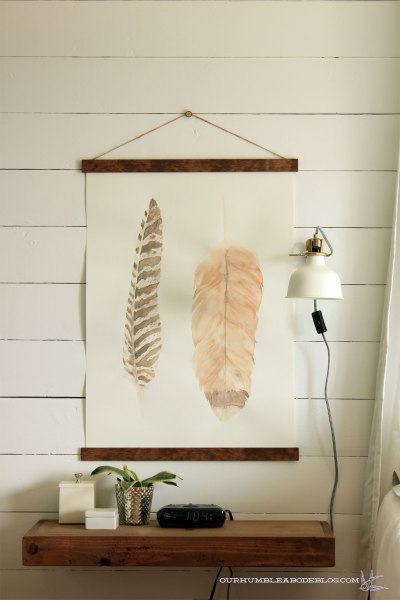
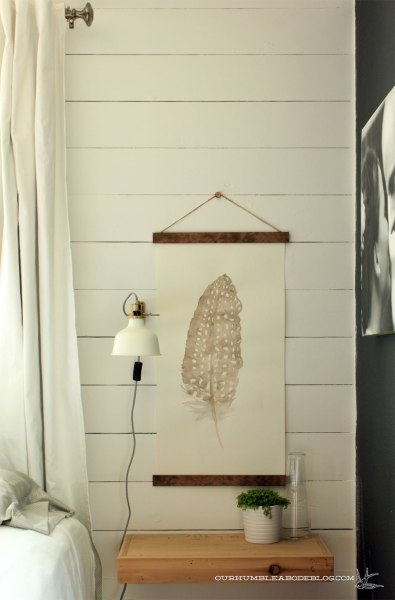
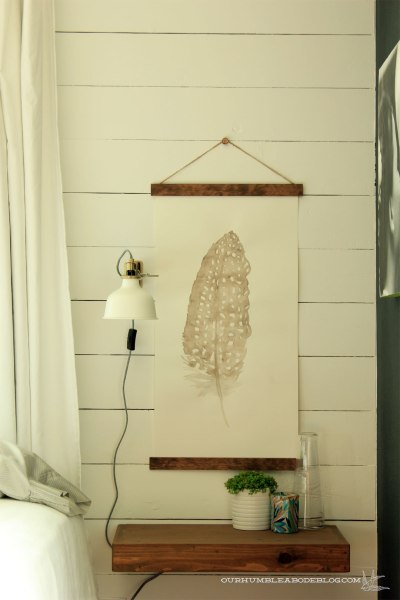
Smaller light fixtures left more space above the nightstand than before, so I painted feathers on watercolor paper to create science poster art.

Master-Bedroom-Accent-Wall-Painted-Left-Side

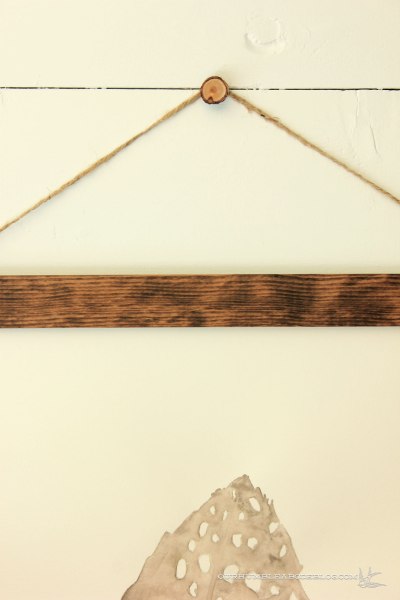
Each piece cost less than five dollars and didn’t require frames thanks to the style.  I cut quarter-inch thick by 1 1/2 inch wide hemlock strips one inch longer than the paper, applied a coat of special walnut stain, and stapled through the paper into the back of the wood.  A string of twine is a simple hook, also stapled into the wood.

Master-Bedroom-Accent-Wall-Painted

Thanks to the lightweight design, a thumb tack with a small wood slice glued to the front keeps the art in place.

Science-Poster-Hanging-Detail

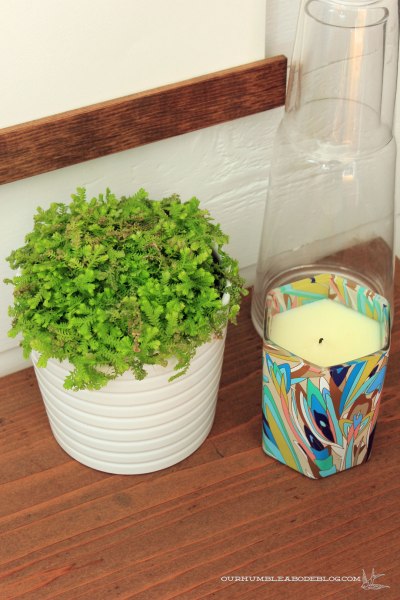
Then, as usual, one thing leads to another and I didn’t like the mismatched look of the dark art wood and the light nightstand.  Not to worry, a coat of matching stain on each was a quick fix and really finished off the look.

Stained-Nightstand-Detail

Ahh yes, much better.

Master-Bedroom-Accent-Wall-Painted-Left-Nightstand

Master-Bedroom-Accent-Wall-Painted-Right-Nightstand

Master-Bedroom-Accent-Wall-Painted-Detail

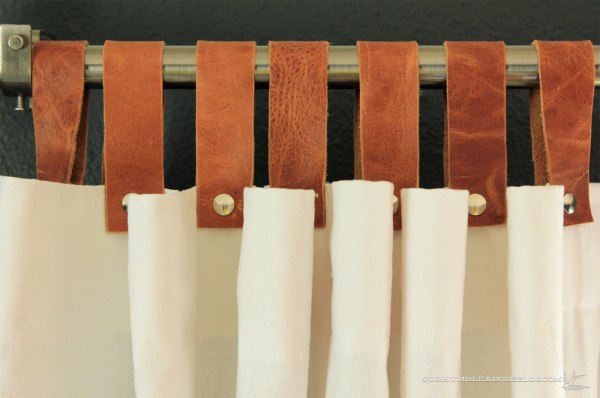
Up next, sewing a matching set of curtains for the window above our bed.  After many attempts to get my hands on another six yards of white linen, I finally broke down and had the fabric store order some for me.

Leather-Tab-Top-Curtains-Detail

With the deck project in full swing, I’m not sure when the bed will be a priority, but it’ll make all the difference in finishing off the room.  Now to decide how I want to handle the other side of the room.